Matt Woods, Alabama State Senator, Discusses Data Centers and Walker County's Future
Deanna Parrish October 20, 2026
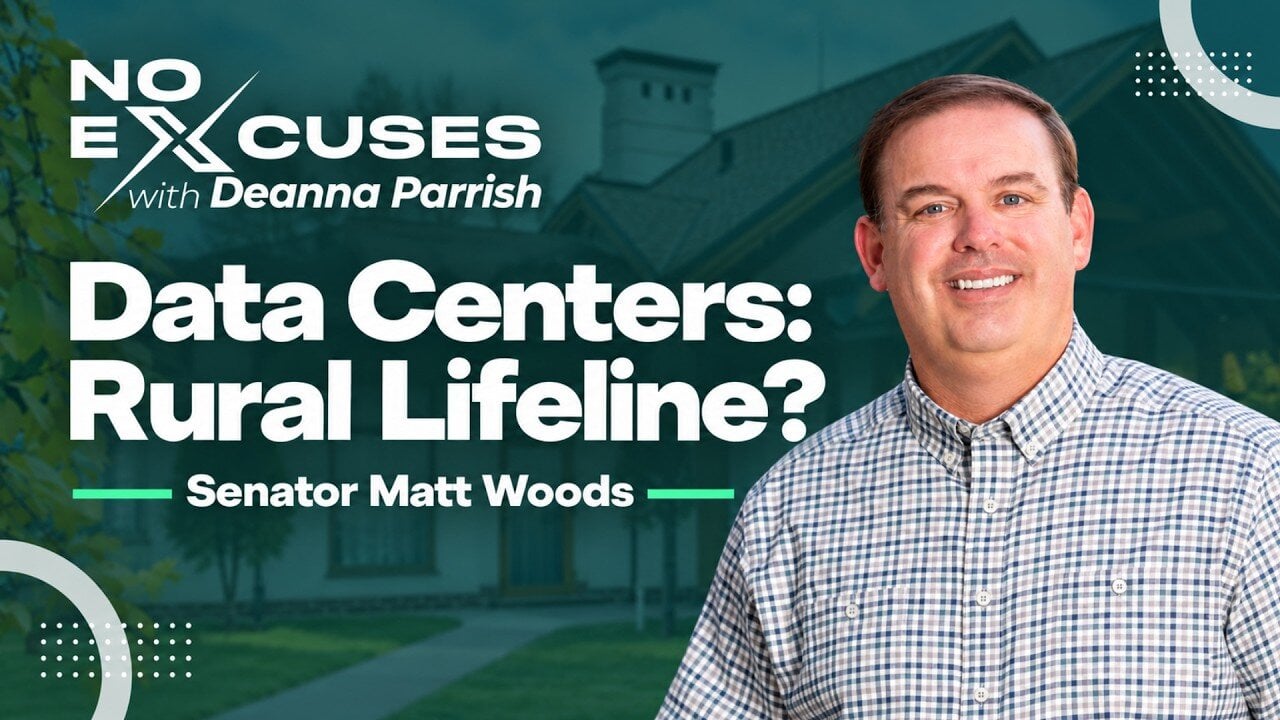
If you're considering buying property, relocating, or investing in West Alabama, you need to understand what's happening beyond the real estate listings. Matt Woods, Alabama State Senator, joined me onNo Excuses with Deanna Parrish to discuss developments that could affect jobs, property values, and the communities we call home.
I've worked in oil and gas, land transactions, and real estate throughout this region. I've seen how access roads, available utilities, and industrial opportunities influence what happens to a property.
In this conversation, I wanted to understand where West Alabama might be headed and what that means for the people living here.
Here's what we'll cover:
How data centers could generate jobs and local tax revenue.
Why electricity capacity and roads matter to future development.
What relocating buyers should know about Walker County.
How rural communities could benefit from better infrastructure.
Why honest property guidance matters as demand grows.
Check out the highlights here:
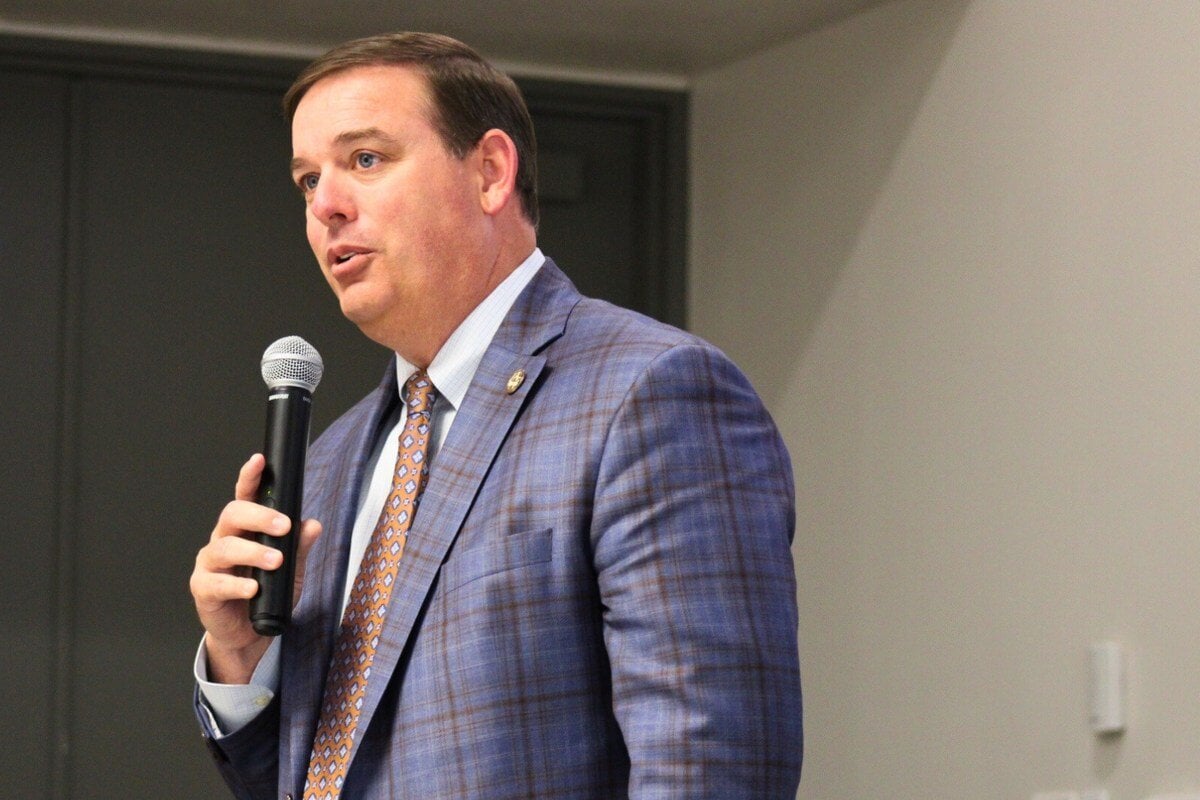
I invited Senator Matt Woods back to continue discussing the opportunities and challenges facing West Alabama.
Matt represents Senate District 5, covering Walker, Fayette, Lamar, and portions of Tuscaloosa and Jefferson counties. He's also a Jasper businessman who has served in the Alabama House of Representatives and on the Alabama Community College System board.
Our conversation came at a time when people were raising concerns about data centers, electricity demand, and industrial development.
I wanted to look beyond the conversations happening on Facebook and hear what Matt had learned firsthand.
Watch the full conversation here:
Data centers in Alabama could create significant economic opportunities for rural communities, according to the estimates Matt discussed during our conversation.
But those opportunities depend on the size of the project and how responsibly it's developed.
Matt explained that smaller facilities might employ approximately 15 people full-time, while some larger projects could require thousands of construction workers.
He discussed estimates of 4,000 construction jobs over a potential ten-year development period, followed by at least 400 permanent positions at certain larger facilities.
Those aren't confirmed jobs for a specific Alabama project. They're examples of what developments of that scale might bring.
And construction activity could benefit more than the workers employed directly.
Local restaurants, grocery stores, convenience stores, and housing providers could experience increased demand.
Matt also discussed a hypothetical hyperscale data center generating approximately $10 million annually in ad valorem taxes, which are taxes based on property value.
For Walker County, he estimated that matching this revenue might otherwise require a sales tax increase of approximately 2% to 3%.
That comparison caught my attention because we have serious infrastructure needs throughout this region.
“This is a lifeline unlike any they've ever seen before for their schools. And for their county commissions to be able to take care of infrastructure and roads and all these other things. So, I don't have the recipe to say this is the way it ought to be, but there is a way to do this where it can help everybody.”
— Matt Woods, Alabama State Senator
I understand why residents worry about water consumption, noise, and nearby industrial buildings. Matt acknowledged those concerns, too.
For me, the important thing is learning how these projects operate and insisting on appropriate safeguards.
But another concern matters just as much: whether our electrical infrastructure can support them.
Electricity availability can determine whether an industrial development moves forward.
I've experienced that uncertainty myself.
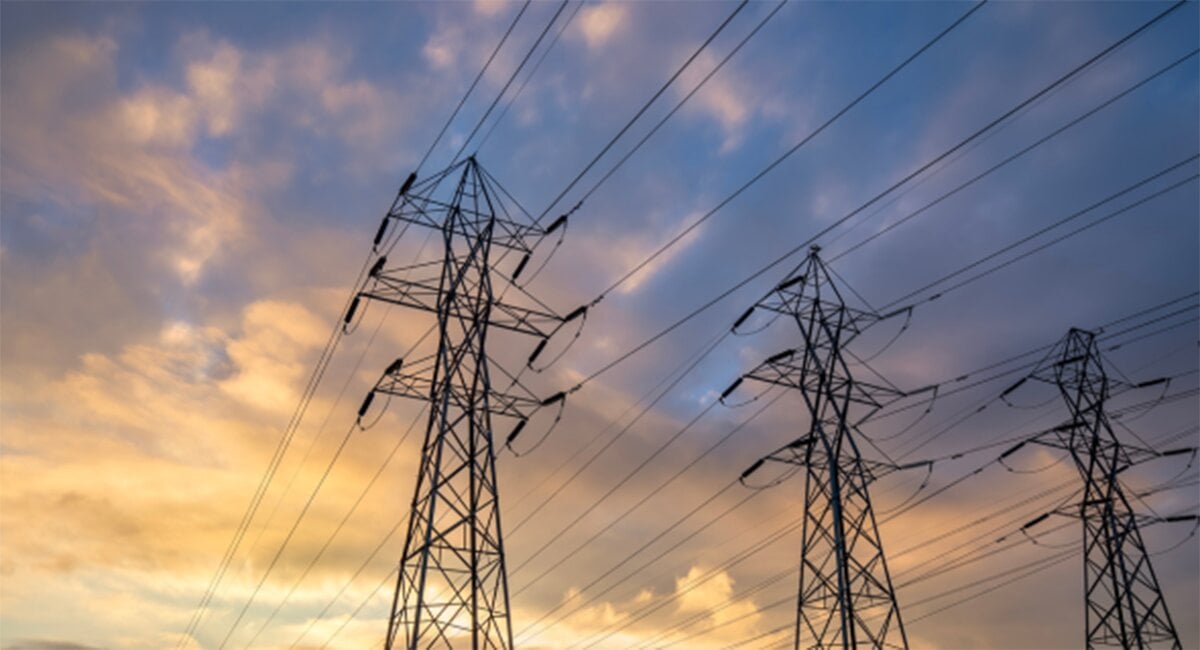
While discussing a prospective development site with a power company, I was initially told that 100 megawatts could be available.
Three weeks later, I called back and was told the available capacity was only 25 megawatts.
I asked what had changed and whether a data center was responsible. I didn't receive a clear answer.
That experience illustrates why I pay attention to the difference between producing electricity and delivering it to a particular location.
Matt expressed concern about losing opportunities to attract other employers because of insufficient power capacity.
He also discussed the possibility of data centers generating some electricity on-site using natural gas, solar power, or a combination of resources.
For developers and landowners, my advice is to investigate utility capacity early. A promising site still needs dependable infrastructure.
Matt also discussed changes to Alabama's Public Service Commission and plans for a cabinet-level energy secretary to strengthen accountability.
Those conversations lead into another infrastructure challenge I've experienced throughout West Alabama.
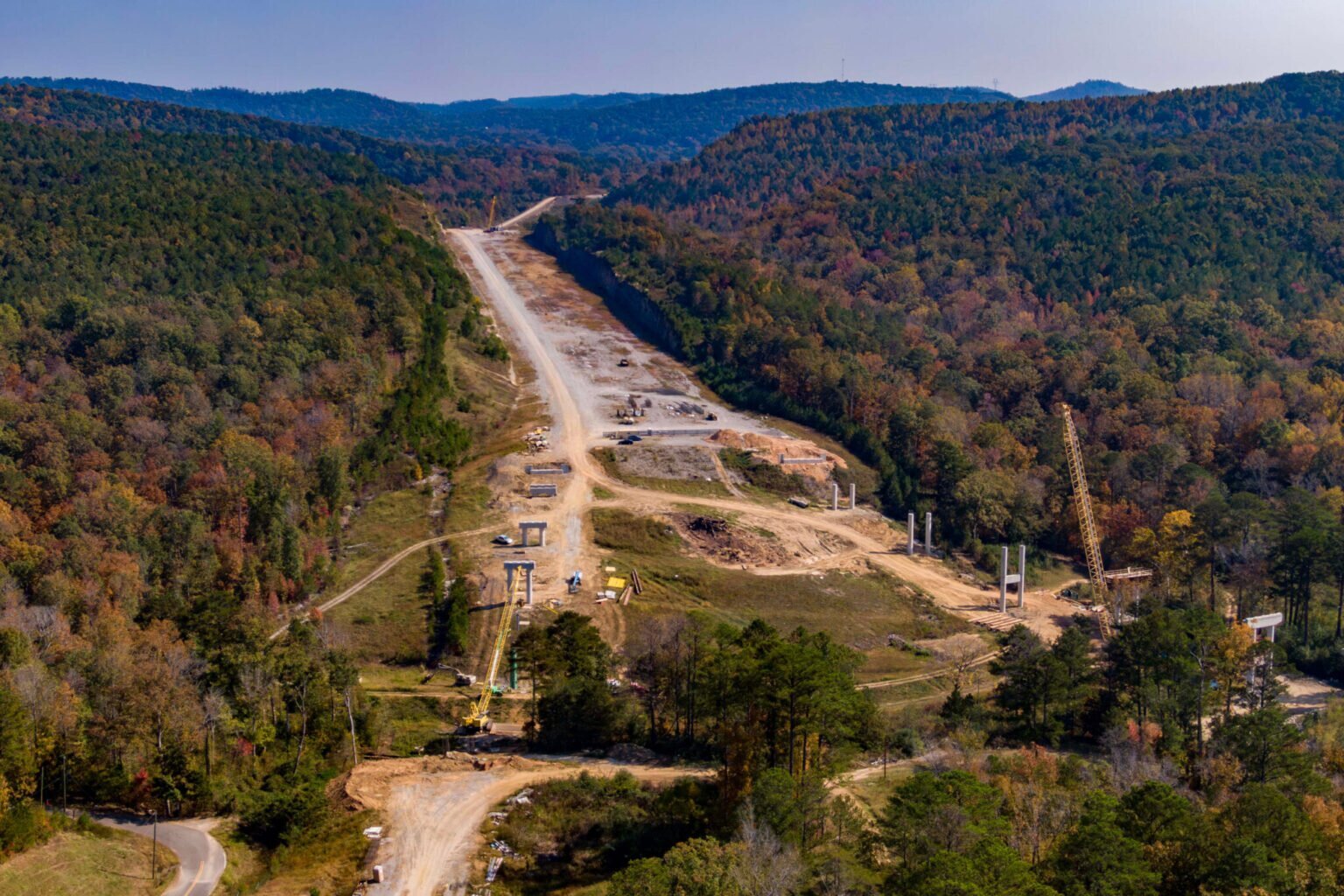
Road access affects everything from industrial transportation to whether someone wants to purchase rural property.
During our conversation, Matt and I discussed Highway 17, Interstate 65, Interstate 22, and the Northern Beltline.
We both recognize the need to improve I-65. But West Alabama has transportation needs that deserve attention, too.
I recalled earlier discussions about establishing a stronger north-south route through Highway 17. Such a connection could create additional opportunities for businesses along the corridor.
Matt also highlighted the potential benefits of completing the Northern Beltline, particularly for Walker County.
We discussed development opportunities around Jasper, Cordova, Dora, Guin, and Winfield.
This is why West Alabama economic development needs to include transportation planning.
Improved connections could help businesses access communities that have historically had fewer opportunities.
For real estate professionals, road conditions and transportation access should be part of every serious property discussion.
And when buyers begin looking at Walker County, infrastructure is only one part of what they need to understand.
When I asked Matt what local agents should tell relocating buyers, he immediately highlighted affordability.
He pointed to people moving from northern and western states who can potentially purchase more property here for their money.
That matters to families looking for space, retirees considering a different lifestyle, and buyers interested in rural land.
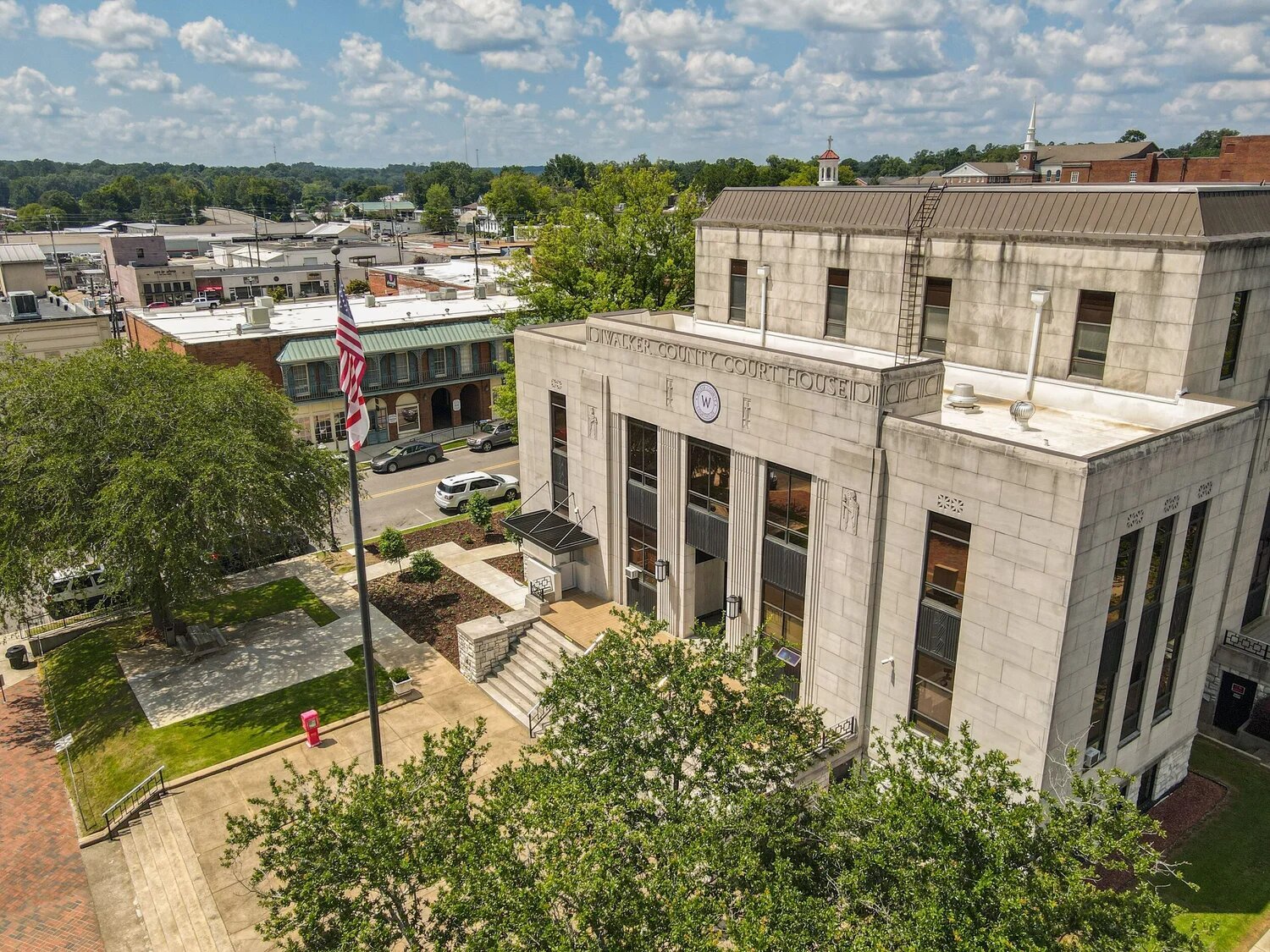
When discussing Walker County Alabama real estate, I believe buyers should consider several things:
Cost of living: Matt described the area's relative affordability compared with more expensive regions.
Property taxes: He discussed a proposed November ballot measure to freeze assessed property values for qualifying Walker County residents aged 65 and older. Its approval and eligibility requirements should be checked before relying on it.
Education: We discussed public, private, and homeschooling options, along with educational initiatives benefiting local families.
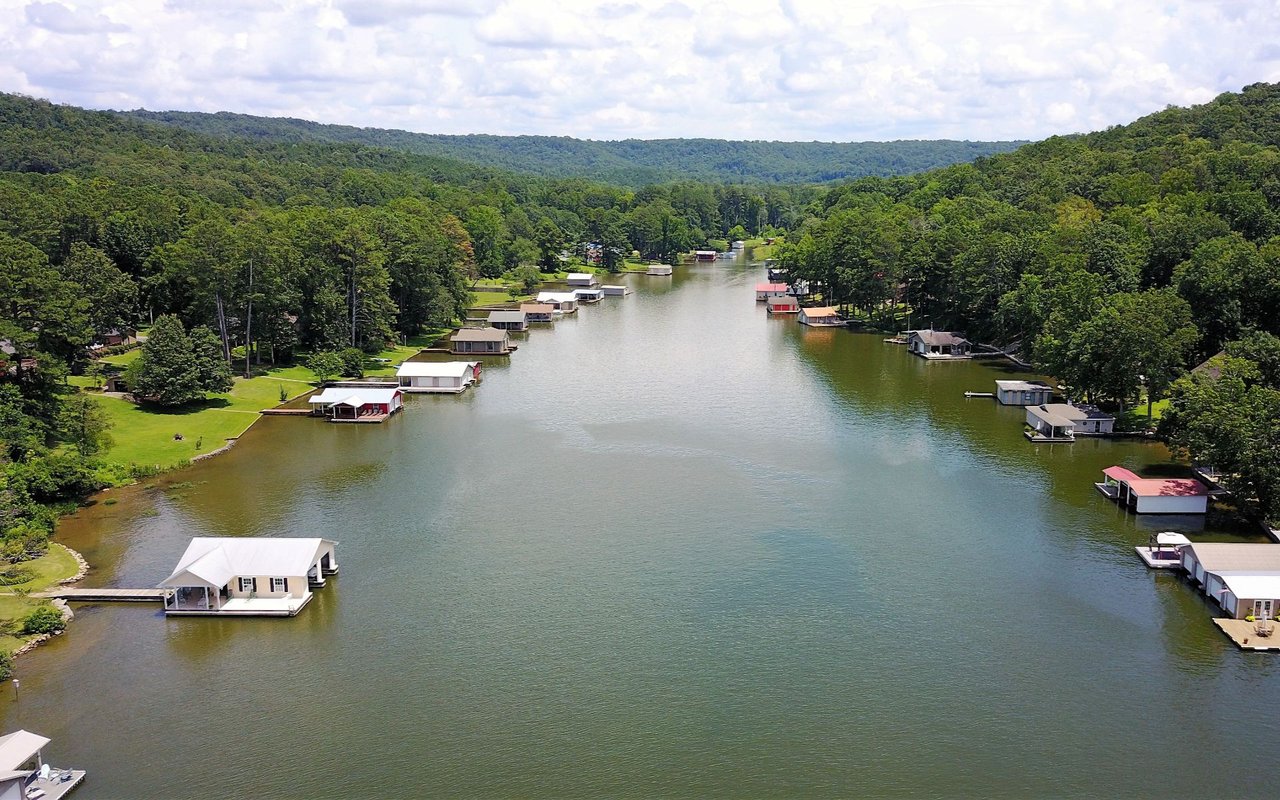
Recreation: Smith Lake and the Warrior River offer opportunities to enjoy the outdoors.
Development flexibility: Matt described comparatively fewer zoning restrictions in some rural areas, although requirements vary by location.
For buyers exploringhomes for sale in Jasper, Alabama, these considerations can help narrow down which properties fit their needs.
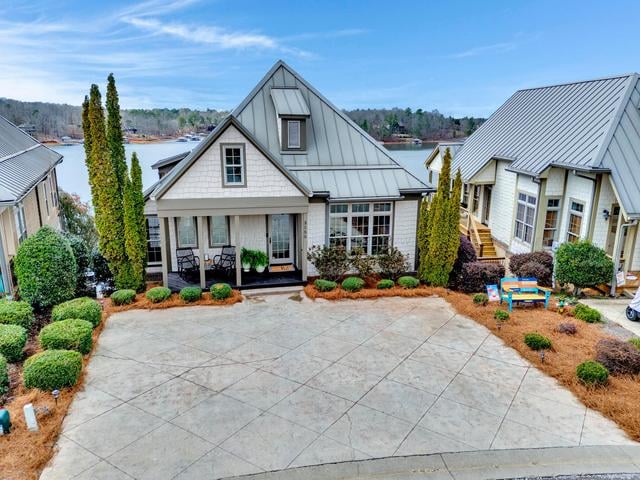
Likewise, someone interested inbuying lakefront property on Smith Lake, Alabama should consider both the property and the surrounding community.
I want relocating buyers to understand the opportunities without confusing legislative proposals or future developments with benefits already guaranteed.
And for rural communities to remain attractive places to live, they need more than housing and affordable land.
One part of our conversation that stayed with me was Matt's discussion of what different communities actually need.
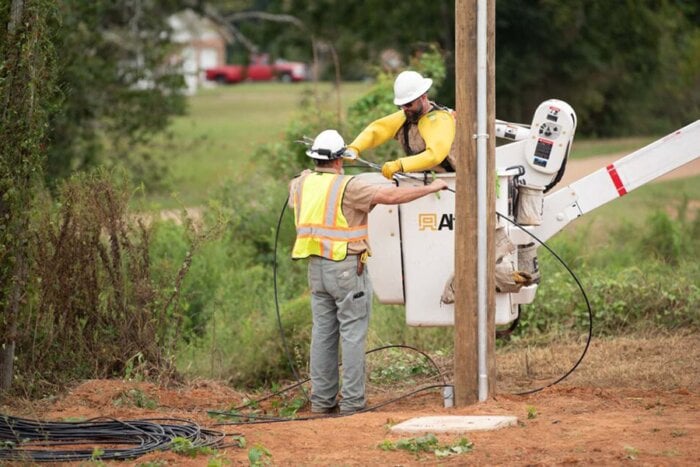
Some areas need better cellphone coverage. Others need reliable high-speed internet, healthcare access, or additional economic opportunities. Alabama law recognizes that inadequate broadband access can limit economic opportunities, healthcare, and education in rural communities.
“They just wanna live free. And they want an opportunity, and they wanna be able to see an opportunity for the future for their next generation. And so, in Senate District 5 it looks different in Lamar County than it looks in Walker County than it looks in Tuscaloosa County. You got some areas who just wanna see, they just want cell phone coverage. They need high speed internet.”
— Matt Woods, Alabama State Senator
Matt discussed development programs including the SEEDS Act, Growing Alabama, and the Coal Impact to Community Act as potential ways to support communities.
He also emphasized expanding access to rural healthcare.
These priorities show why rural Alabama infrastructure development requires attention to several connected needs.
Matt also challenged some stereotypes about rural Alabama.
He described hardworking residents, longstanding community values, and the importance of allowing visitors to experience these places firsthand.
I've experienced that while working on oil and gas projects and introducing visitors to communities they knew very little about.
A personal visit can reveal things someone would never understand from an outside description.
That kind of firsthand knowledge is especially valuable when helping someone make a real estate decision.
Matt believes Walker County is on an upward trajectory.
He discussed development around Jasper and Cordova and predicted that the area could look considerably different over the next five to ten years.
“So if you want to get in while the getting is good, don't wait. 'Cause things are going to change, whether we like it or not. And property values are going to go up. The demand is rising. There's a huge demand now, but it's only going to get more.”
— Matt Woods, Alabama State Senator
I share his optimism about the area, although future property appreciation is never guaranteed.
I shared the story of selling a 30-acre riverfront property in rural Walker County to a buyer from Colorado.
I hired a photographer to capture drone footage of the property and its beautiful river setting.
The buyer purchased it sight unseen for approximately $10,000 per acre.
But I made sure he understood something important: the road access was terrible.
I warned him repeatedly because I wanted him to know what he was purchasing.
When he eventually arrived, he thanked me for being upfront about the roads.
That experience is why I believe honest property representation matters so much.
If you're preparing to purchase rural property, start with thesteps to buying a home in Walker County, Alabama, and investigate access, utilities, and individual property conditions.
The opportunity may be promising, but buyers deserve an accurate picture of what they're getting.
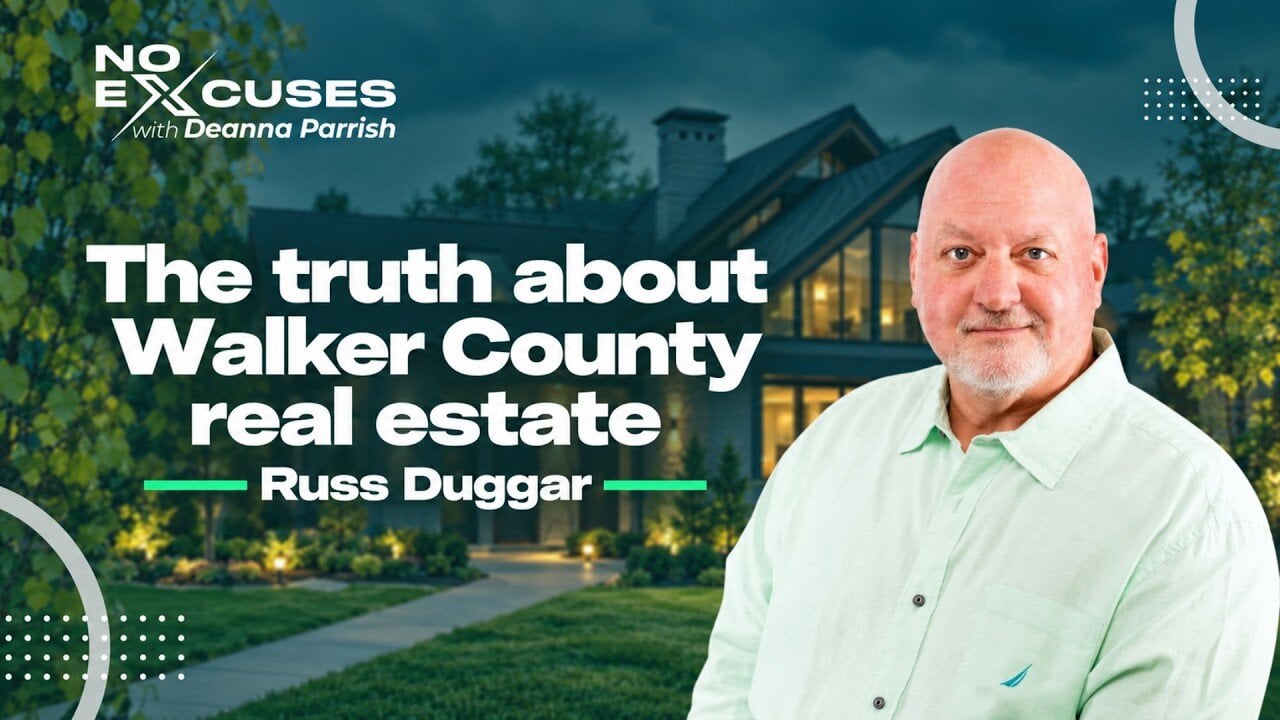
Matt Woods represents Alabama Senate District 5, which includes Walker, Fayette, Lamar, and portions of Tuscaloosa and Jefferson counties. During our conversation, we discussed economic development, utilities, education, and infrastructure priorities.
Matt described available land, relatively limited zoning restrictions in certain rural areas, and development opportunities as potential attractions. I believe investors must also consider electricity availability and possible community impacts.
I see opportunities for people who value the area's lifestyle, relative affordability, and property options. However, I encourage buyers to evaluate each property's condition, access, utilities, and pricing rather than relying on predictions about future market growth.
If you want to learn more about West Alabama's economic development, infrastructure priorities, and legislative initiatives, reach out to Matt Woods (Matthew Woods), Alabama State Senator for District 5:
Website → https://votemattwoods.com/
LinkedIn → https://www.linkedin.com/in/matthew-woods-20680883/
Facebook → https://www.facebook.com/VoteMattWoods
Official government profile → https://alison.legislature.state.al.us/senate-leaders-members
I hope this conversation gave you a better understanding of West Alabama's future. Stay connected with me for more insights on real estate, local developments, and our community.
🌎 Website →https://deannaparrish.com/
📘 Facebook →https://www.facebook.com/smithlakeproperty
📷 Instagram →https://www.instagram.com/deanna.e.parrish_realtor/
🔗 LinkedIn →https://www.linkedin.com/in/deanna-parrish-42655616/
I believe West Alabama's future deserves thoughtful conversations with people who know the region and care about its direction. Every experience we share can help someone better understand the opportunities and challenges facing our communities.
If you're a real estate professional, business owner, developer, or community leader with a perspective worth sharing, I'd love to have you join me on the podcast.
Whether you are buying a home in town or a retreat on Smith Lake, Deanna is your local connection. She leverages deep community roots to find properties that perfectly match your lifestyle. Connect with her to start your journey.