How Renee Sides, Director of Economic Development for the City of Cordova, Alabama, Helped Her Town Rise Again
Deanna Parrish September 30, 2026
Deanna Parrish September 30, 2026
What does it take for a small town to come back after losing its biggest employer, then watching a disaster wipe it off the map?
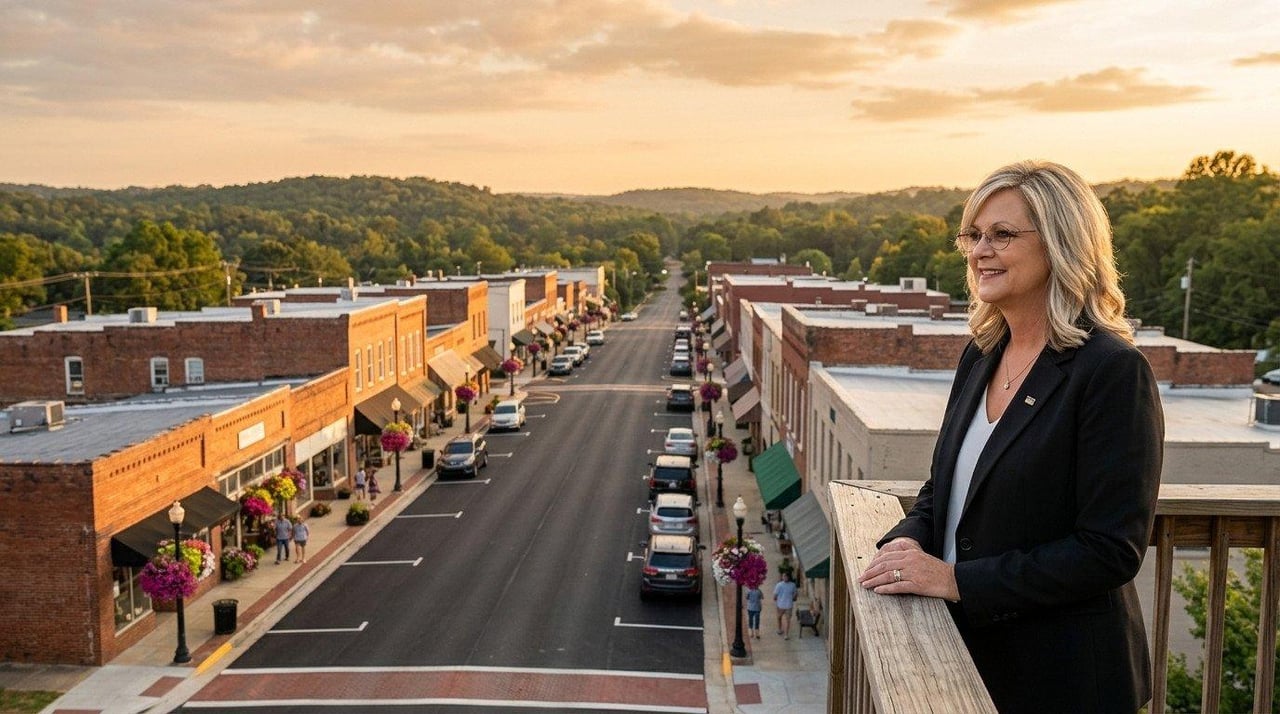
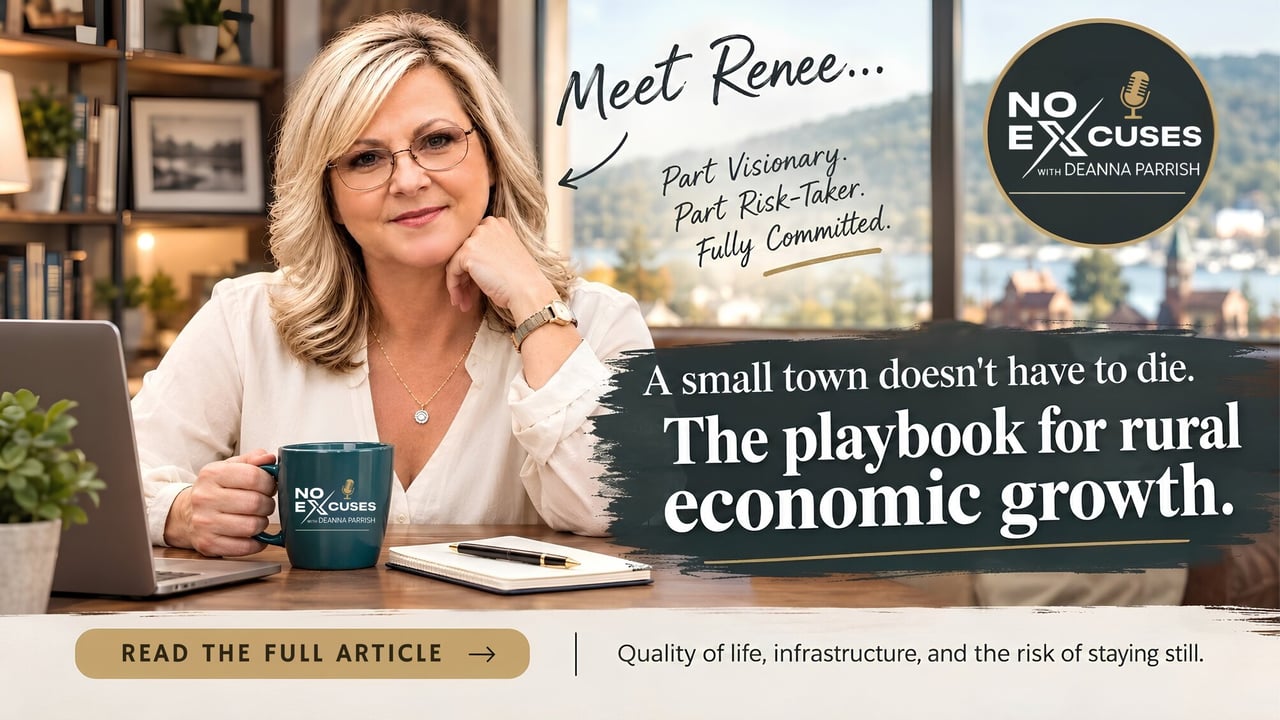
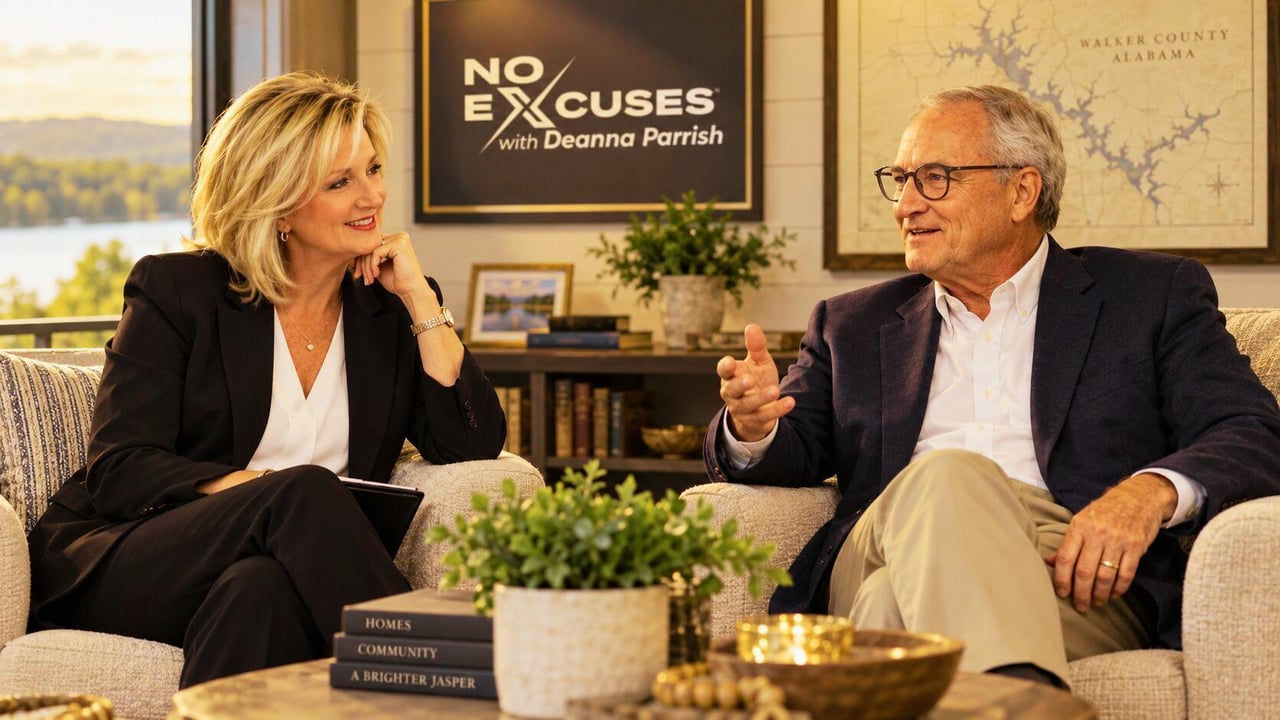
I had the pleasure of speaking with my friend Renee Sides, Director of Economic Development for the City of Cordova, Alabama, on No Excuses, where she shares how Cordova turned its obstacles into assets.
As a REALTOR who helps families put down roots in Walker County, I walk through the lessons that stood out to me most. This is for anyone who leads, lives in, or loves a small town.
Here’s a preview of that episode:
Renee never set out to work for a city. She was thinking about retirement when she opened the Cedar House, a small shop in Cordova. Before long, she was chairing the city's industrial board, and from there, she stepped into economic development.
What I love about her path is how practical it is. She brings a background in construction, supply chain logistics, and inventory management software. You can hear it in how she talks about projects, because everything has a sequence, a cost, and a person responsible for it.
You can get a sense of what she oversees through the community resources from the City of Cordova. Today she is leading a 20-year plan, a $6.4 million road project, and an AmeriCorps program for local youth.
As a REALTOR in Walker County, I see every day how a town's leadership shapes whether families stay. That is exactly why I wanted this conversation on No Excuses.
Watch the full episode here:
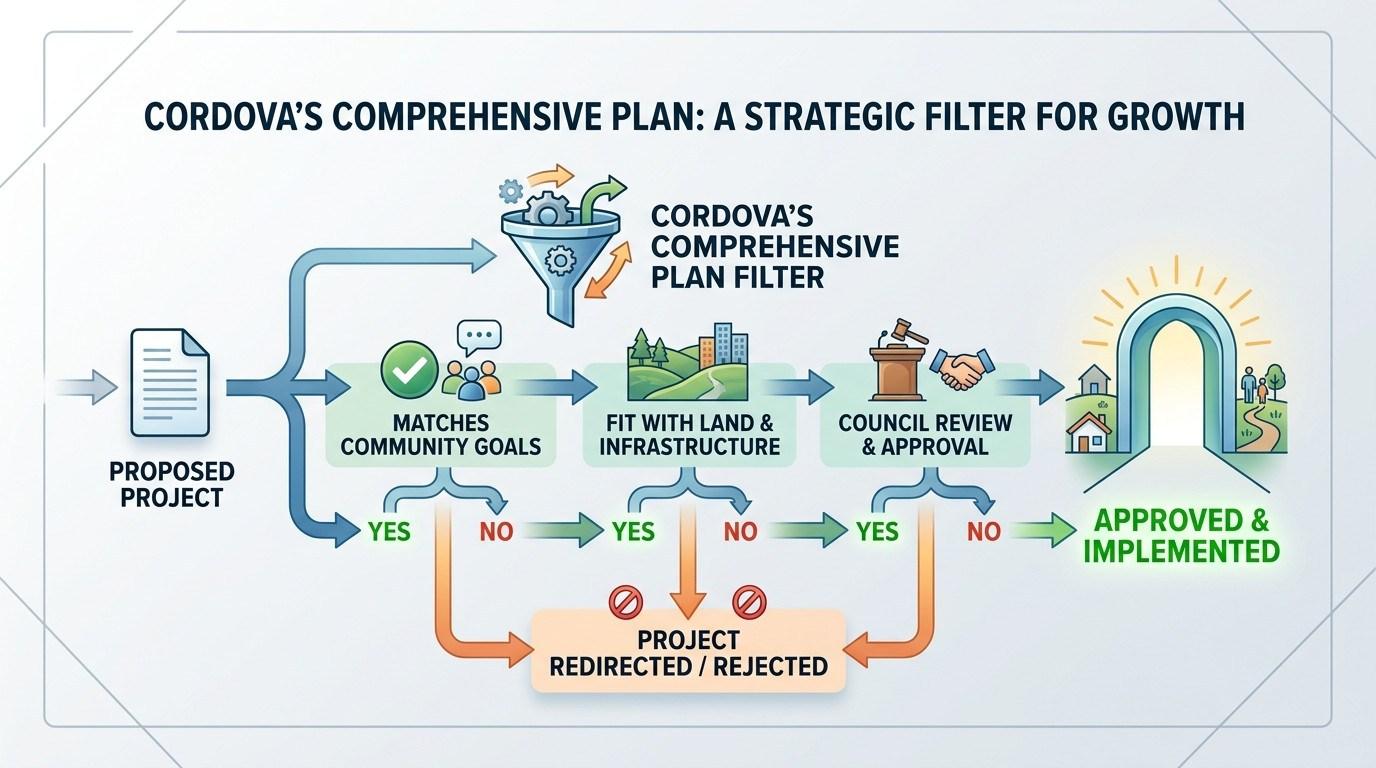
The first thing Renee walked me through was Cordova's comprehensive plan for city growth. It took 18 months to build, the city council approved it, and it covers the next 20 years.
The plan works like a filter. Every proposed project is measured against it before it moves forward, which keeps the city from chasing ideas that don't match what residents actually want.
Then came the part that surprised me. About 85% of Cordova's land sits on a slope of 15% or more. For housing developers, that is a serious obstacle, and plenty of towns would have stopped there.
Cordova didn't. The city is turning that terrain into a trail system. The same hills that make building difficult make hiking, walking, and outdoor recreation a real draw.
I see this from the buyer side all the time. Trails and green space are a big part of why families comparetop neighborhoods in Alabama before deciding where to live. Renee's lesson is simple: name the weakness honestly, then ask what it could become.
Renee was refreshingly honest about why so many rural towns stall. Most mayors and council members serve part-time. City clerks are stretched across a dozen responsibilities, and very few towns invest in staff who can write and manage federal grants.
The result is that small town economic development turns into maintenance. Leaders keep the lights on, but nobody has the time or training to chase the funding that would change the town's direction.
“Most of our rural communities, the mayors are part-time, the council members come for council meetings... Small and rural communities don't invest in somebody that can get in and write grants... So I think it's more of the mindset and the investment. They're so concerned with just maintaining every single day that they can't get to that next step.”
That point landed hard for me. Most small towns also go without a certified city planner, which means big decisions get made without anyone whose job is to see the full picture.
Renee also shared how the city worked through a pipeline dispute by leaning on common sense instead of pressure. And she credits a Nick Saban principle for how she builds her team: get the right people in the right seats on the bus. When everyone in city government trusts the person beside them, the work moves faster.
Cordova had already lost its largest employer when 2011 hit. Renee described it plainly. Lives were lost, and housing was lost. For a town that size, it could easily have been the end of the story.
Instead, it became a turning point. Rebuilding forced the city to think about what it wanted to become, not just what it used to be. That mindset later shaped the comprehensive plan.
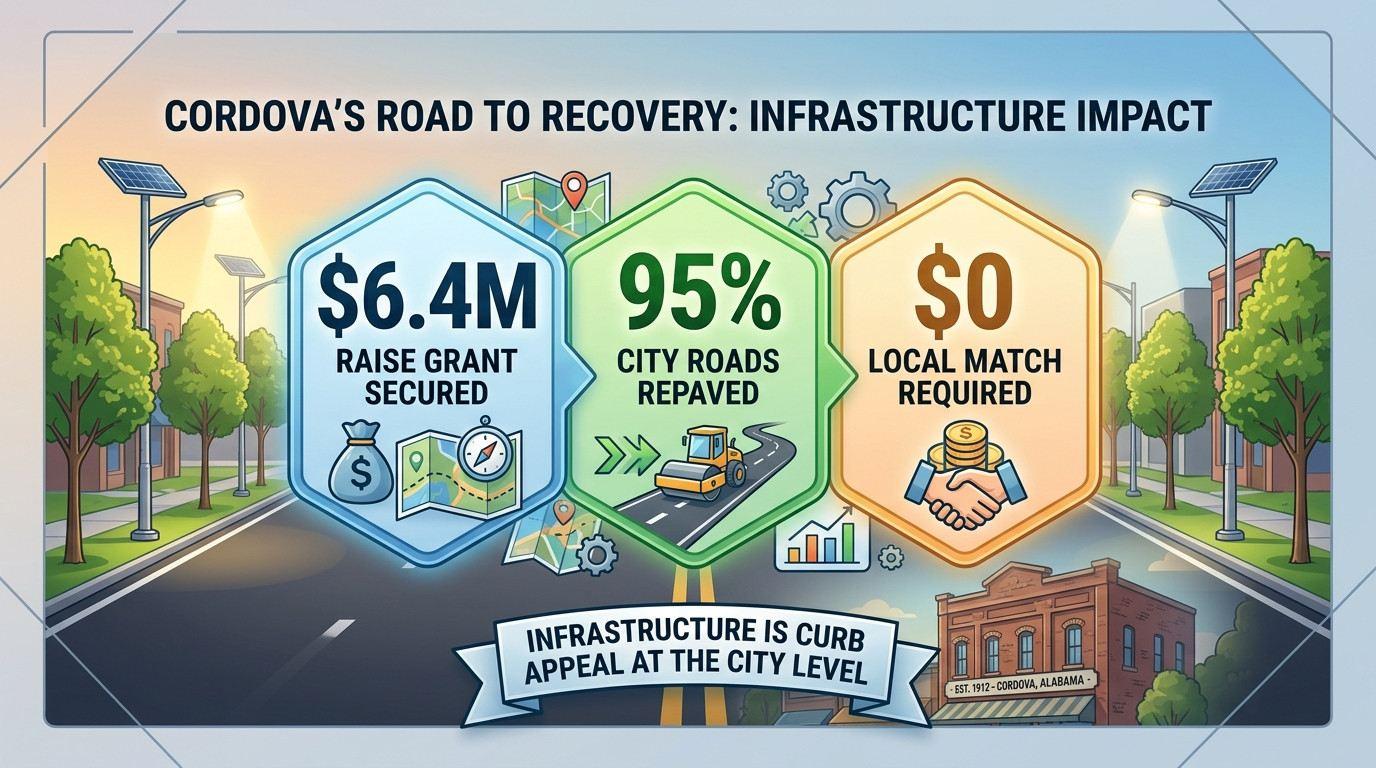
One of the biggest results is a $6.4 million RAISE grant that is repaving about 95% of Cordova's roads. There is no local match required, which is rare for a town this size. It is a textbook example of how rural infrastructure funding can reset a community's trajectory.
From my side of the business, good roads matter more than people realize. Buyers form an opinion the moment they drive into town, so infrastructure is really curb appeal at the city level.
Renee is just as focused on Cordova's young people as its roads. TheCity of Cordova AmeriCorps environmental stewardship program trains local youth in career skills and stewardship, along with equipment certification through a local community college partnership.
It gives young people a reason to build skills at home instead of leaving to find opportunity somewhere else. That is the long game small towns need to play.
Then, she told me the story behind this episode's hook. During a PowerPoint presentation to the ADECA director Kenneth Boswell, Renee confirmed in real time that the middle school's robotics program needed a facility.
“I texted Amber. What do you need? She said I need a facility. So I told him about it in the meeting. He said, ‘Get with me on that.’ And less than a year later we have a commitment for a million dollars from ADECA through the Appalachian Regional Commission, and then the Board of Education matched the money.”
Within a year, that pitch became a $1 million commitment through the Appalachian Regional Commission, matched by the Board of Education. That is rural grant funding earned through relationships and a specific, visible need. The mistake to avoid is a vague request, because officials fund what they can picture.
Near the end of our talk, Renee made a point I keep coming back to. Growth doesn't always start with a big grant.
“If you address the beautification... you're trying to make that emotional connection with somebody. Yes, it's community engagement. Yes, it's pretty, it's all that, but you gotta create that emotional connection for someone, whether it be a visitor or a resident or an employee... It shows pride.”
Planting flowers and adding solar trail lighting are some of the lowest-cost, highest-impact small town beautification projects a city can take on. They signal that people care about this place, and that signal matters when a town competes for private investment.
This changed how I talk with clients. First impressions sell towns the same way they sell homes. When I show buyers around Walker County now, I point out the flower beds and the lit trails, because they tell you who is invested in the community.
Want to hear my full conversation with Renee Sides, Director of Economic Development for the City of Cordova, Alabama, on how she helped her town rise again?
It is a long-range strategic document. Cordova's covers 20 years, took 18 months to build, and was approved by city council. Every project is measured against it.
Most leaders are part-time, clerks are overloaded, and few towns fund grant-writing staff. The focus stays on maintaining rather than growing.
Build direct relationships with state officials and bring a specific, verified need. That approach helped Cordova land a $1 million robotics facility commitment.
Small towns across Alabama are being rebuilt by people who refuse to accept that things can't change. If you are leading a community project, building a business, or solving real problems in real estate and local development, I invite you to apply to be a guest on my podcast!
No Excuses is produced by Icons of Real Estate, the #1 Real Estate Podcast Network. If you are a real estate professional, apply to be a guest speaker across the network!
Whether you are buying a home in town or a retreat on Smith Lake, Deanna is your local connection. She leverages deep community roots to find properties that perfectly match your lifestyle. Connect with her to start your journey.