Comparing Crane Hill and Other Smith Lake Towns
July 9, 2026
July 9, 2026
Trying to choose between Crane Hill and another Smith Lake town? That decision can shape everything from your drive time to your shoreline experience. If you want a place that fits how you actually plan to use the lake, it helps to compare the areas in a practical way. Here’s how to think through Crane Hill, Cullman-side communities, Arley, and Double Springs so you can narrow your search with more confidence.
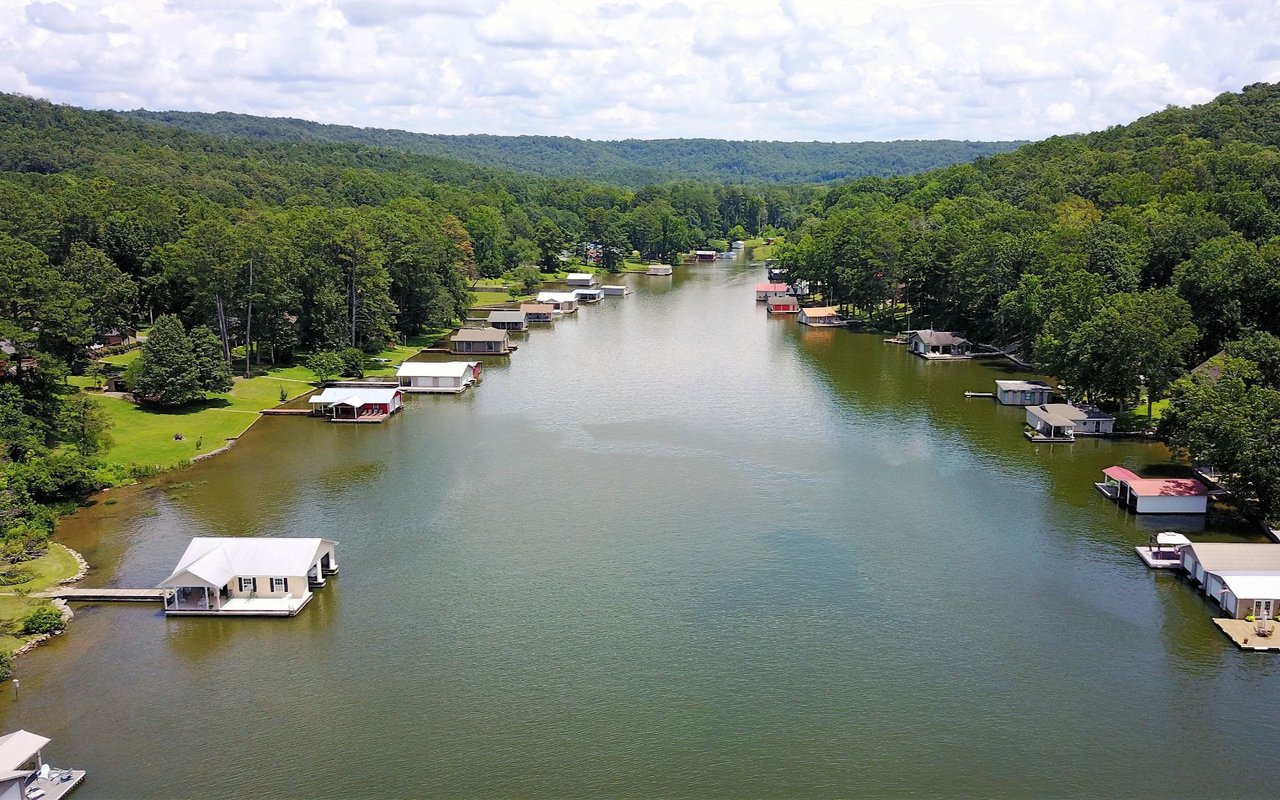
Smith Lake covers about 21,200 acres with more than 500 miles of shoreline across Cullman, Walker, and Winston counties. It sits just off I-65, roughly an hour north of Birmingham and about an hour south of Huntsville, so location on the lake can make a real difference in convenience.
Before you compare towns, think about your real priorities. Many buyers come back to the same four questions: how fast they can get to I-65, whether a property has year-round water, how private the shoreline feels, and what type of property they want.
That property type may be a cabin, a waterfront home, a gated lot, or a larger acreage tract. Once you know your top priorities, comparing areas gets much easier. Let’s look at Crane Hill first, since it often works well as a middle-ground benchmark.
Crane Hill is a rural community in southwest Cullman County along the Smith Lake side of the county. County Road 222 serves as the main thoroughfare, and the area is described as a rural farming community at the foot of the Appalachian Mountains.
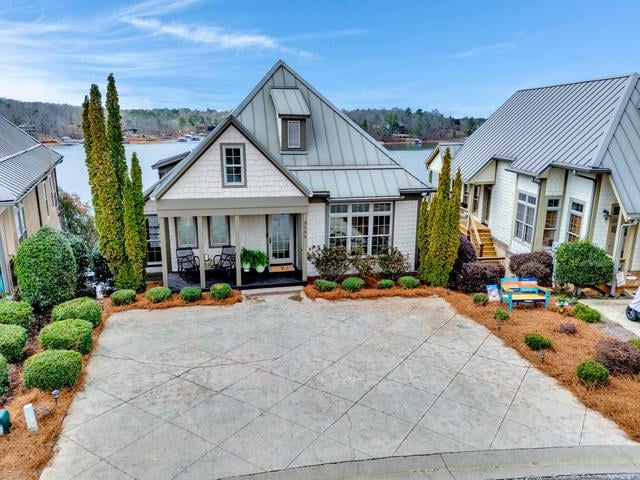
What makes Crane Hill useful as a comparison point is its range. Representative listings suggest you can find smaller waterfront parcels, new-build lake homes, wooded lots with substantial frontage, and larger acreage tracts with major shoreline. That mix gives Crane Hill flexibility that not every Smith Lake pocket offers.
In practical terms, Crane Hill can appeal to more than one kind of buyer. You may find a cozy cove property, a full-time waterfront home, or a larger estate-style tract depending on your goals.
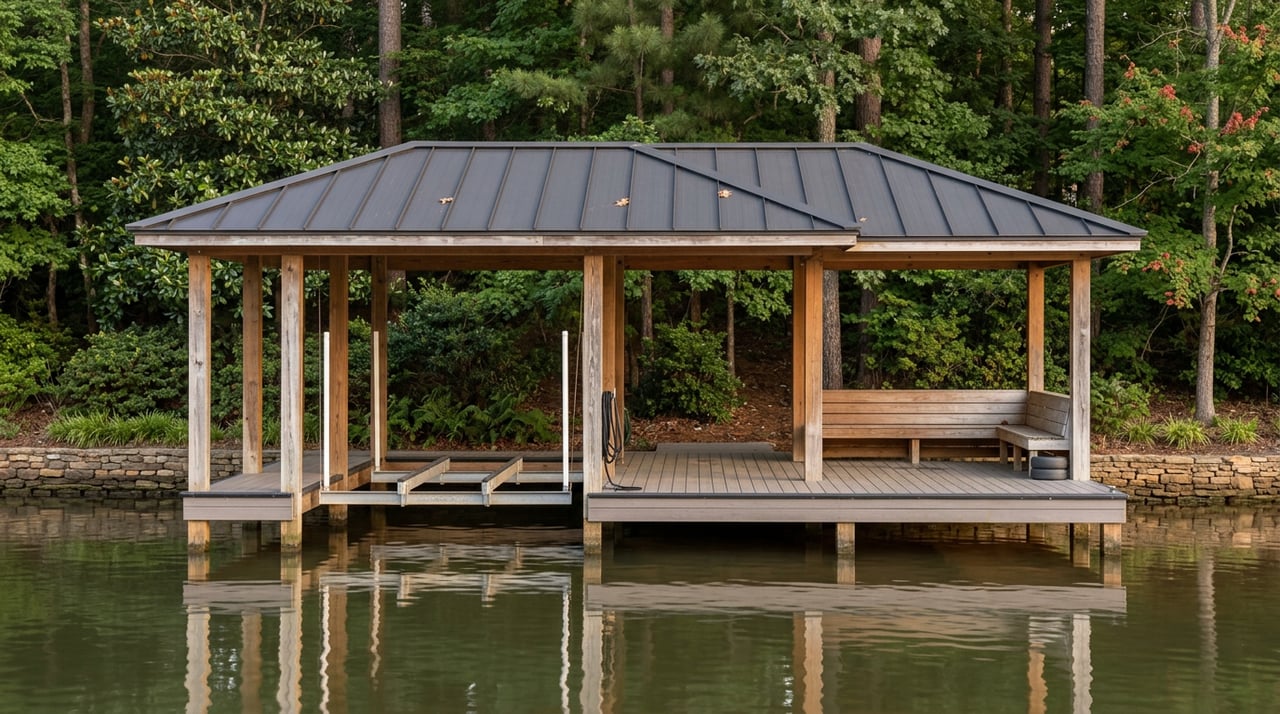
Crane Hill is rural, but it is not cut off from lake activity. The area includes uses like RV and tent camping, marina-related services, dry storage, and mobile-home lots, which creates a more active, service-oriented feel than a purely residential stretch of shoreline.
For some buyers, that is a plus. It can mean a stronger connection to day-to-day lake life and easier access to lake-support services. For others, it may signal a busier setting than they want, especially if they are focused on a very tucked-away experience.
If your top priority is easy weekend access, the east Cullman side often rises to the top. Areas around Bremen, Dodge City, and Smith Lake Park are closely tied to I-65, with Smith Lake Park within 7 miles of the interstate and Bremen commonly approached from Exit 299.
This part of Smith Lake tends to feel more recreation-oriented. Smith Lake Park includes cabins, hundreds of camper sites, tent sites, and a six-lane boat launch, which signals a stronger activity hub than a quiet residential cove.
Representative listings on this side often show smaller to mid-size lots, including parcels under an acre and around 1 acre, along with some larger estate-style tracts. Many emphasize quick interstate access, big-water views, year-round shoreline, and easy dock access.
The east Cullman side may make the most sense if you:
If that sounds right, Crane Hill may still be worth comparing, but east Cullman may feel more convenient overall.
Arley offers a different experience. Officially, it is a small town in southeastern Winston County with a population of 357, within a mile of Lewis Smith Lake and largely within Bankhead National Forest.
That profile gives Arley a smaller, more tucked-away character than Crane Hill or the east Cullman corridor. It often appeals to buyers who want wooded shoreline, a slower pace, and a setting that feels more removed from the main access routes.
Representative listings around Arley, Rock Creek, and Brushy Creek show a wide range of wooded parcels, waterfront footage from around 100 feet to more than 400 feet, and repeated mentions of year-round water, gentle slopes, and lower boat traffic. Those patterns point to a quieter shoreline experience.
Arley may be a stronger fit if you:
Compared with Crane Hill, Arley may feel more secluded and more forested. Compared with east Cullman, it usually trades convenience for privacy and atmosphere.
If you want the most secluded, nature-first setting in this comparison, Double Springs and nearby Sipsey Fork pockets deserve a close look. Double Springs is the Winston County seat, about 35 miles west of Cullman and 4 miles from Smith Lake, with much of the town inside Bankhead National Forest.
That geography makes it the most forest-forward and removed area in this group. It can be a strong match for buyers who want a lake property that feels deeply connected to woods, water, and distance from busier corridors.
Representative listings around Sipsey Fork and Bankhead Shores show 1- to 4.6-acre parcels, dockable or partly seasonal waterfront, gated-community lots, and even properties marketed for RVs, campers, tiny homes, or short-term rental use. The property mix suggests flexibility, but with a stronger emphasis on seclusion.
Double Springs may suit you if you:
Compared with Crane Hill, Double Springs is generally more removed. Compared with Arley, it may feel even more secluded depending on the exact pocket.
If you are deciding between Crane Hill and another Smith Lake town, it helps to compare them side by side using the same filters each time. That keeps you focused on what matters instead of getting distracted by one pretty view or one listing feature.
Here are the most useful filters to use:
Crane Hill often works well for buyers who want balance. East Cullman tends to favor convenience, Arley often favors a wooded and slower pace, and Double Springs usually favors the most secluded experience.
A smart way to search Smith Lake is to start with Crane Hill as your baseline. Because it spans both cabin-and-cove opportunities and acreage-and-estate possibilities, it gives you a useful middle point for comparing tradeoffs.
If another area feels too busy, Crane Hill may offer more breathing room. If another area feels too remote, Crane Hill may offer a better balance of access, water, and rural privacy.
This approach can save you time. Instead of trying to learn every pocket at once, you can ask a simpler question: do you want more convenience than Crane Hill, more seclusion than Crane Hill, or something close to that middle ground?
Many buyers focus first on the house or the view, but the area itself often shapes long-term satisfaction more than any finish or floor plan. On Smith Lake, two properties can both offer water access and still feel completely different because of drive time, shoreline setting, and surrounding land use.
That is especially true if you are choosing between a weekend property and a full-time home. A place that looks perfect online may feel less ideal if the drive is longer than expected or the shoreline activity level does not match your lifestyle.
This is also where local guidance matters. If you are comparing a simple waterfront lot with a larger acreage tract, details tied to land use and property characteristics can become just as important as the lake view.
There is no single best Smith Lake town for every buyer. The right fit depends on whether you value access, privacy, year-round water, or property type most.
If you want a practical summary, think of it this way:
When you compare areas this way, your search gets clearer. You stop looking for the “best” town and start looking for the town that fits your version of Smith Lake life.
If you want help comparing Crane Hill with other Smith Lake areas, Deanna Parrish offers local, hands-on guidance for waterfront homes, acreage, and more complex land questions so you can move forward with confidence.




Whether you are buying a home in town or a retreat on Smith Lake, Deanna is your local connection. She leverages deep community roots to find properties that perfectly match your lifestyle. Connect with her to start your journey.