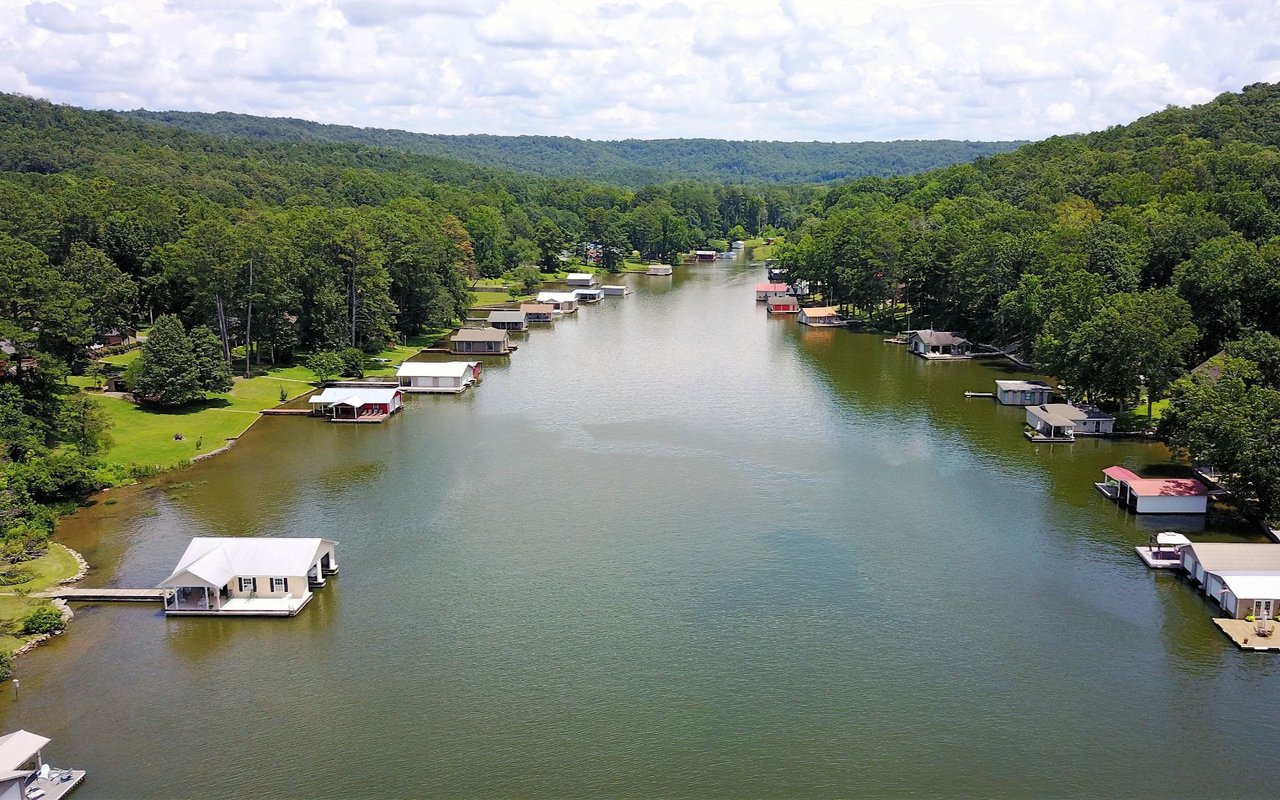
Smith Lake Boat Dock Rules Every Buyer Should Understand
June 25, 2026
June 25, 2026
Thinking about buying or updating a waterfront property on Smith Lake? The dock, steps, seawall, or shoreline improvements you see from the water may look straightforward, but the approval process often is not. If you want to avoid surprises before closing or before starting a project, it helps to know who regulates what, what usually needs a permit, and which documents matter most. Let’s dive in.
Smith Lake shoreline work is not controlled by one simple county rule. Alabama Power says it owns the lake’s pool properties and additional shoreline rights, and the lake is managed under a Federal Energy Regulatory Commission license for Project No. 2165.
That matters because shoreline rules can apply beyond the visible waterline. Alabama Power’s guidelines show Smith Lake full pool at 510 feet MSL, with its flood easement extending to 522 feet MSL, so some work above the water’s edge can still fall inside the permit area.
There can also be a federal review layer. The U.S. Army Corps of Engineers Mobile District says Alabama Power Company Programmatic General Permits apply to certain activities in Corps-regulated waters within Alabama Power reservoir boundaries in Alabama, and Alabama Power staff reviews those requests on the Corps’ behalf.
Local approvals may still come into play too. In Walker County, the local health department’s environmental office handles septic and other environmental services, which can matter when a shoreline home includes a dwelling or sanitation system.
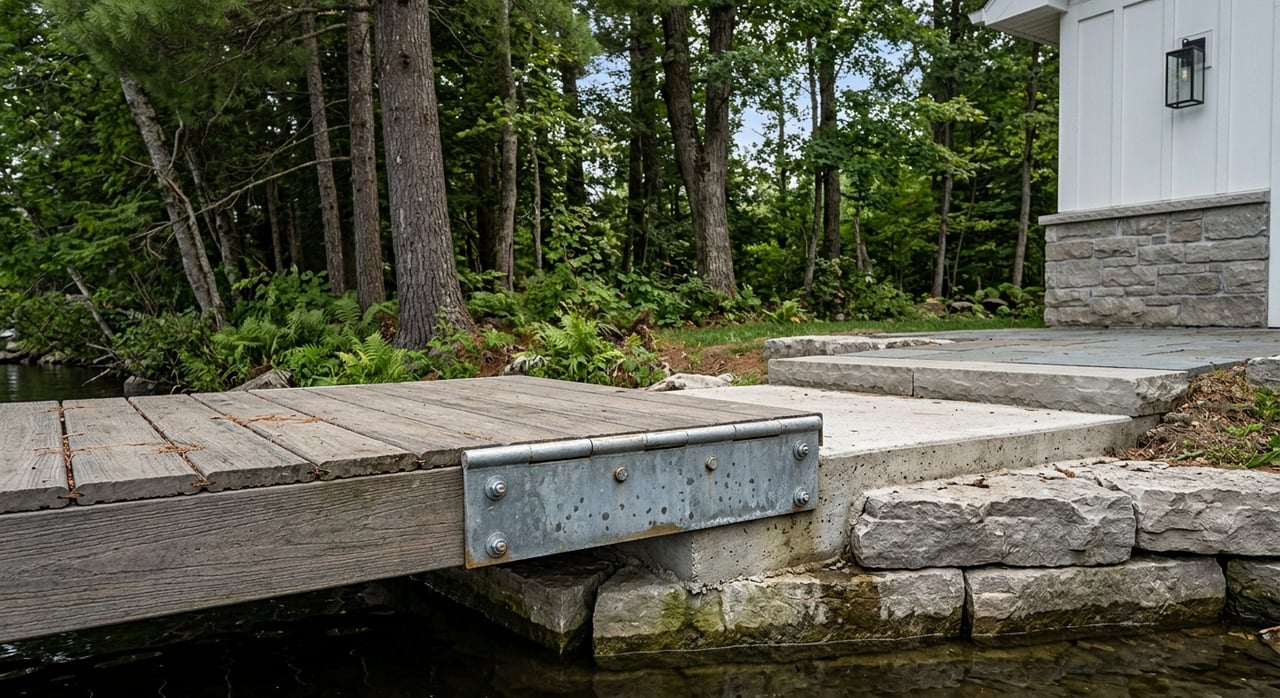
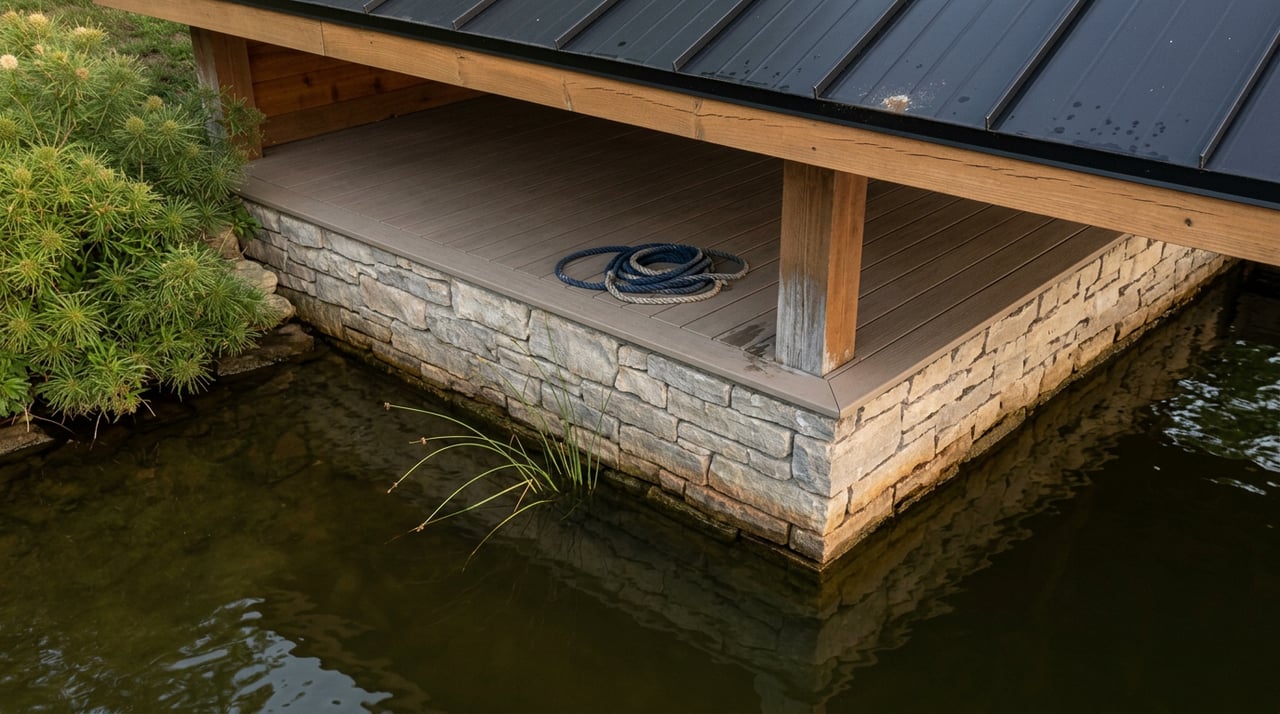
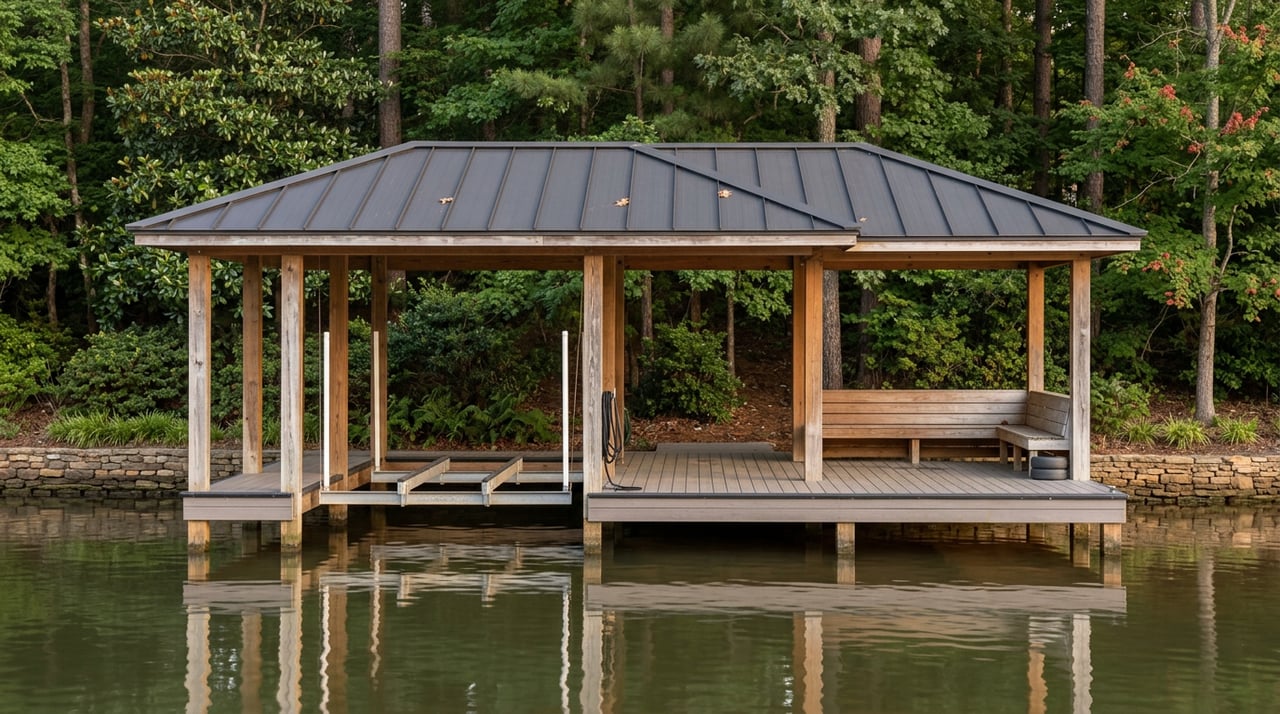
A lot more shoreline work can require approval than many buyers expect. Alabama Power treats docks, piers, boathouses, ramps, stairs, decks, floats, rip rap, seawalls, dredging, and bank stabilization as shoreline construction or related activity.
Its permit guidance says that, except for painting and pressure washing, work in the lakebed, flood easement, or control strip could require a permit. That means even projects that seem minor can trigger review if they affect the shoreline area Alabama Power regulates.
Lot size and shoreline frontage can matter too. Alabama Power says lots with less than 100 linear feet of shoreline may be restricted or may not qualify for structures.
For some smaller projects, a general permit path may apply. The Corps’ Black Warrior and Tombigbee Lakes shoreline information describes general permits for relatively minor structures or activities such as bulkheads, shoreline stabilization, boat docks, boat slips, boat ramps, and debris removal.
If a project goes beyond that scope, it may need a more individualized review. In practical terms, that can affect your timing, design options, and overall project planning.
Even when a project is allowed, timing can make a big difference. Alabama Power says the best time to do permitted work is often during a lake drawdown.
According to its lake-level information, Smith Lake begins lowering on July 1 and ends lowering on November 30. That seasonal pattern can affect construction access, repair conditions, and how usable an existing dock may be during certain parts of the year.
If you are buying with plans to repair or modify a structure soon after closing, this is worth discussing early. A project that looks simple in photos can be harder to access or schedule depending on lake level and permit timing.
The permitting process is more document-driven than many people realize. Alabama Power’s materials call for a signed copy of the guidelines, a recorded deed, a drawing with dimensions and location, and any applicable subdivision ARC or HOA approvals.
For elevated structures, Alabama Power may also want a site review and sanitation approval from the local health department. This is one reason waterfront due diligence should include more than just a visual inspection.
Here is the plain-language version of the usual process:
One point is especially important: the online request is not the permit itself. Alabama Power says a written permit is required before construction begins on fee-owned or flood-easement land.
It also says a pending permit tag must be visible before work starts. Verbal approval is not enough, which is a key detail for both current owners and buyers.
If you are buying a Smith Lake property, do not assume an existing dock or boathouse is properly approved just because it is already there. One of the biggest mistakes buyers make is treating a visible structure as proof that the paperwork is in order.
Alabama Power says shoreline permits are non-transferable without written consent, and the owner must give notice to a potential transferee. The Corps’ Alabama Power programmatic permit summary also says the permit is not transferable without Alabama Power’s written approval, and the new owner’s name and signature must be sent to the site manager to validate the transfer of verification.
That means the dock permit does not simply ride along with the deed automatically. If a transfer was never properly handled, you may inherit a problem instead of a convenience.
Before you close on a Smith Lake property with shoreline improvements, it is smart to ask for more than a casual assurance from the seller. Alabama Power says verbal approval is not sufficient.
Ask for copies of the actual records tied to the structure. That can help you confirm not only that approval exists, but also that the dock, boathouse, stairs, seawall, or other improvements match what was approved.
A practical buyer checklist includes:
If any of that paperwork is missing, it is wise to treat the issue as a closing-risk item until it is confirmed in writing. Alabama Power says unapproved construction or substantial repair can be required to stop, be brought into compliance, or be removed at the owner’s expense.
Many owners assume repairs are automatically allowed if a structure already exists. That is not always the case.
Alabama Power says substantial repairs or modifications can trigger permit review or fees. So even if a dock has been there for years, a major rebuild, expansion, or structural change may still need fresh review before work begins.
This is especially important if you are buying a property with plans to "fix it up later." Your renovation plan should include permit verification just as early as your budget and contractor conversations.
When you look at Smith Lake real estate, the shoreline is part of the property story, but it is also part of the compliance story. A beautiful waterfront lot can come with added value, added responsibility, or both.
That is why careful buyers look beyond the photos and ask detailed questions about permits, transfer requirements, frontage limitations, and any planned changes. It is also why working with a local real estate advisor who understands both the lifestyle side and the technical side can make a real difference.
If you are considering a Smith Lake purchase, especially one with a dock, boathouse, seawall, or future shoreline plans, getting clear answers early can help you avoid delays and protect your investment. If you want local guidance on evaluating a lake property and the documents that come with it, reach out to Deanna Parrish.




Whether you are buying a home in town or a retreat on Smith Lake, Deanna is your local connection. She leverages deep community roots to find properties that perfectly match your lifestyle. Connect with her to start your journey.