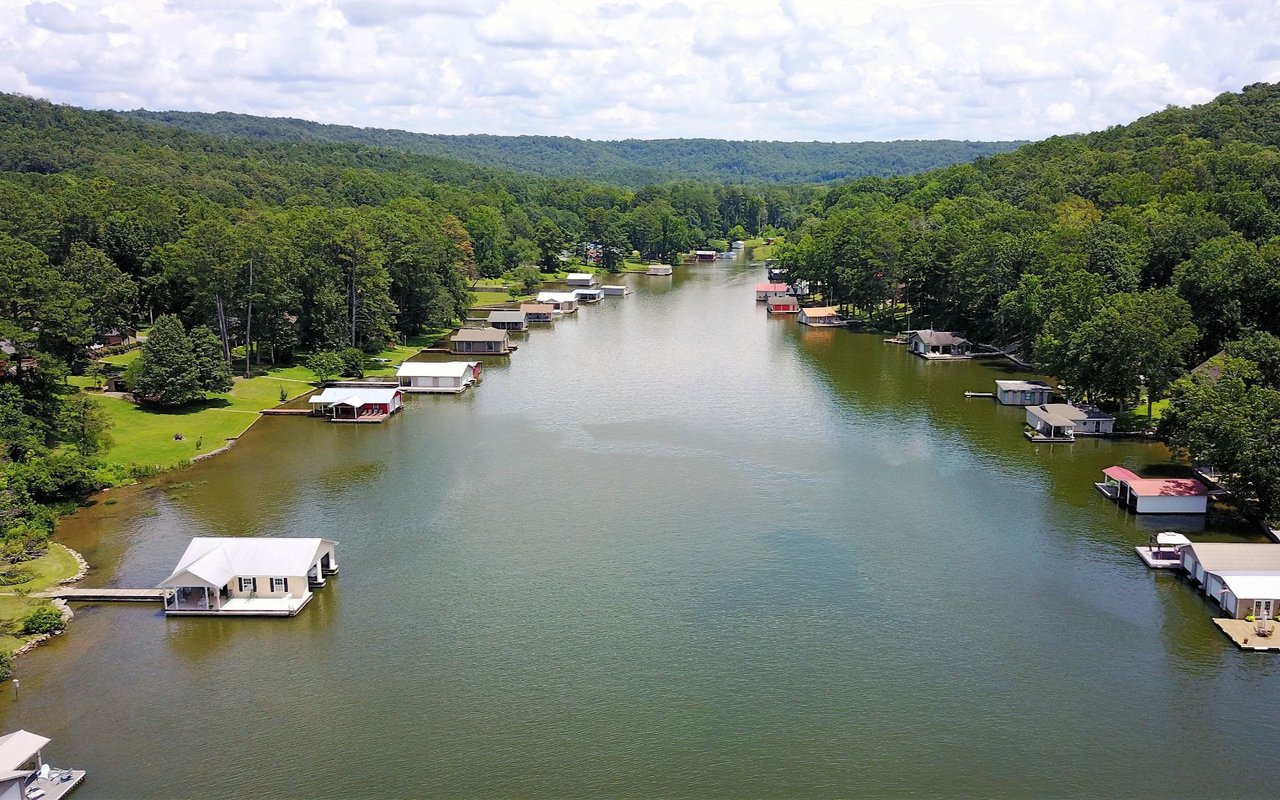
Inherited Land Near Smith Lake: What Owners Need to Know
May 14, 2026
May 14, 2026
If you live out of state and just inherited land near Smith Lake, you may be asking one big question: now what? Between probate, taxes, shoreline rules, and possible mineral-rights issues, inherited property in Walker County can feel a lot more complicated than a simple keep-or-sell decision. The good news is that when you break it down step by step, you can make a smart plan with more confidence. Let’s dive in.
Before you improve the land, divide it among family members, or put it on the market, you need to know exactly what you inherited. In Alabama, a will generally must be filed for probate within five years of the person's death, and probate may be handled in the county where the person lived or, if they lived out of state, where the assets are located.
That matters because inherited land is not always cleanly titled. If there was no will, the will was never probated, or earlier ownership transfers were never properly cleaned up, the property may be considered heirs property or have clouded title.
Heirs property can create real problems for out-of-state owners. You may only own a fractional interest, and other family members may also have claims to the same land.
In Alabama, even one co-owner can seek division or sale of the property. Alabama Extension also notes that clouded title can lead to partition issues and forced sale scenarios, which means waiting too long to sort out ownership can limit your options later.
Start by collecting the core records tied to the property and the estate. A strong paper trail can make every next step easier.
Walker County notes that parcel maps are based on deed descriptions recorded in the Probate Judge's Office. The county can help locate records, but it does not perform a full title search for you.
If ownership is unclear, common tools may include:
Alabama Extension identifies these as common ways to help identify heirs and resolve ownership shares. A survey may still be useful, but it is important to remember that a survey helps define boundaries and does not prove ownership.
For out-of-state heirs, taxes can quickly affect whether holding the land still makes sense. Walker County says property taxes are based on classification, millage, and exemptions, with property valued at fair and reasonable market value for ad valorem purposes.
Taxes are due October 1 and become delinquent January 1. The county also expects owners to report ownership changes and updated mailing addresses, which is especially important if you do not live nearby.
One detail many remote owners miss is unpaid tax liability. Walker County says a buyer can be held liable for unpaid real-property taxes, so checking tax status before listing or closing is a smart move.
If you inherited the land recently, confirm:
If the property includes 5 or more acres of productive farmland, pastureland, or timberland, Alabama's current-use system may reduce assessed value. But after a transfer by deed or will, the new owner must reapply or the property may revert to fair market value for tax purposes.
Homestead exemptions work differently. Walker County states that homestead exemptions apply only to primary, owner-occupied residences, so most out-of-state heirs should not expect that benefit unless the property truly becomes their primary home.
The county's tax value is not the same as your inherited tax basis. For federal tax planning, inherited property basis is generally the fair market value on the date of death.
That means the assessed value used for local property taxes may differ from the number later used to calculate gain or loss if you sell. For many families, that difference can change the hold-versus-sell conversation in a meaningful way.
Near Smith Lake and across Walker County, this is a big issue that deserves close attention. Mineral rights can be separate from the surface estate, which means inheriting the land does not always mean you inherited all mineral interests under it.
A deed review should look for mineral reservations and any recorded mineral conveyances. Mineral owners may have the ability to lease those rights or even have rights to enter the land for production activities, so this is not a detail to ignore before making improvements or marketing the property.
Mineral-rights questions can affect value, use, and buyer interest. They can also impact future negotiations if you plan to sell only the surface or if prior owners reserved part of the mineral estate.
This is one area where technical land knowledge can make a major difference. If the property has a long ownership history, older deeds may tell an important story about what was, or was not, transferred over time.
If the inherited tract is on or near Smith Lake, shoreline rules may affect your next move. Alabama Power's 2025 Smith Lake guidelines state that the company owns pool properties and has additional shoreline property rights, and written permission is required before shoreline construction or repair on project lands or waters.
These rules can apply to work such as:
For permits, Alabama Power asks for the current deed and, when needed, a current survey. The guidelines also say lakefront structures generally should be set at least 15 feet from the property line extended into the lake, though Alabama Power may require a different reasonable distance.
That means inherited lakefront land may come with more limits than you expect. If your family assumed you could add or repair a dock right away, it is best to verify the permit path before spending money.
Smith Lake also follows a seasonal lowering schedule. Alabama Power says the lake begins lowering on July 1 and ends lowering on November 30.
For you as an owner, that can affect shoreline access, dock usability, and construction timing. It can also influence how buyers view the property if you plan to sell during certain seasons.
A common risk with inherited lake property is discovering an older dock, seawall, or shoreline grading that may not have been properly permitted. Based on Alabama Power's permit rules and lake-management schedule, this can become a pre-listing issue that slows a sale or changes a buyer's expectations.
If you inherited a lakefront parcel, it is worth confirming whether existing shoreline features have the proper records. Alabama Power's Smith Lake shoreline-management office in Jasper is the local permitting contact listed in the guidelines.
Once title, taxes, mineral rights, and shoreline issues are clearer, your decision usually comes down to three paths: hold, improve, or sell.
Holding can make sense when title is clear, carrying costs are manageable, and family members agree on a shared plan. If several heirs want to keep the property together, Alabama Extension notes that a family land trust or LLC may help preserve clear title and define who manages taxes, use, and transfers.
This option usually works best when there is a realistic long-term plan. Without one, shared ownership can become harder over time, especially for heirs living in different states.
Improving the land may be appealing if you want to build, enhance access, or increase market appeal before a sale. But it is usually best to wait until title, survey details, mineral-rights questions, tax status, and shoreline permits are verified.
A survey can help define boundaries, but it does not prove ownership. For any major improvement, the deed history and recorded documents matter just as much as the physical layout of the tract.
Selling is often the cleanest option when co-owners disagree, the carrying costs are too high, or the title is too clouded to make practical use of the land. Alabama Extension notes that one co-owner can force partition and that a partition by sale can be ordered.
Alabama's Uniform Partition of Heirs Property Act adds notice, appraisal, buyout, and open-market protections. For many out-of-state heirs, that makes early planning especially important if not everyone in the family wants the same outcome.
If you are trying to decide what to do next, start with a practical review of the basics. This can help you avoid expensive assumptions.
This kind of checklist is especially useful when you live out of state and cannot easily visit county offices or inspect the property yourself.
Inherited land decisions are rarely just about price. They are also about risk, timing, family coordination, and understanding the details that can affect use or saleability.
Near Smith Lake, those details often include shoreline compliance, deeded boundaries, mineral questions, and Walker County tax records. When your property has technical issues, working with someone who understands both the local market and the land side of the transaction can save time and help you move forward with fewer surprises.
If you inherited land near Smith Lake and need a clear path forward, Deanna Parrish can help you sort through the practical questions, understand your options, and decide whether holding, improving, or selling makes the most sense for your situation.






Whether you are buying a home in town or a retreat on Smith Lake, Deanna is your local connection. She leverages deep community roots to find properties that perfectly match your lifestyle. Connect with her to start your journey.