What Smith Lake Conservation Easements Mean for Buyers
April 16, 2026
April 16, 2026
If you are looking at land near Smith Lake or around Jasper, a conservation easement can change the deal more than many buyers and sellers expect. These recorded restrictions can affect what you can build, how you can use the property, and how the land may be valued in the future. The good news is that once you know where to look and what to verify, the picture becomes much clearer. Let’s dive in.
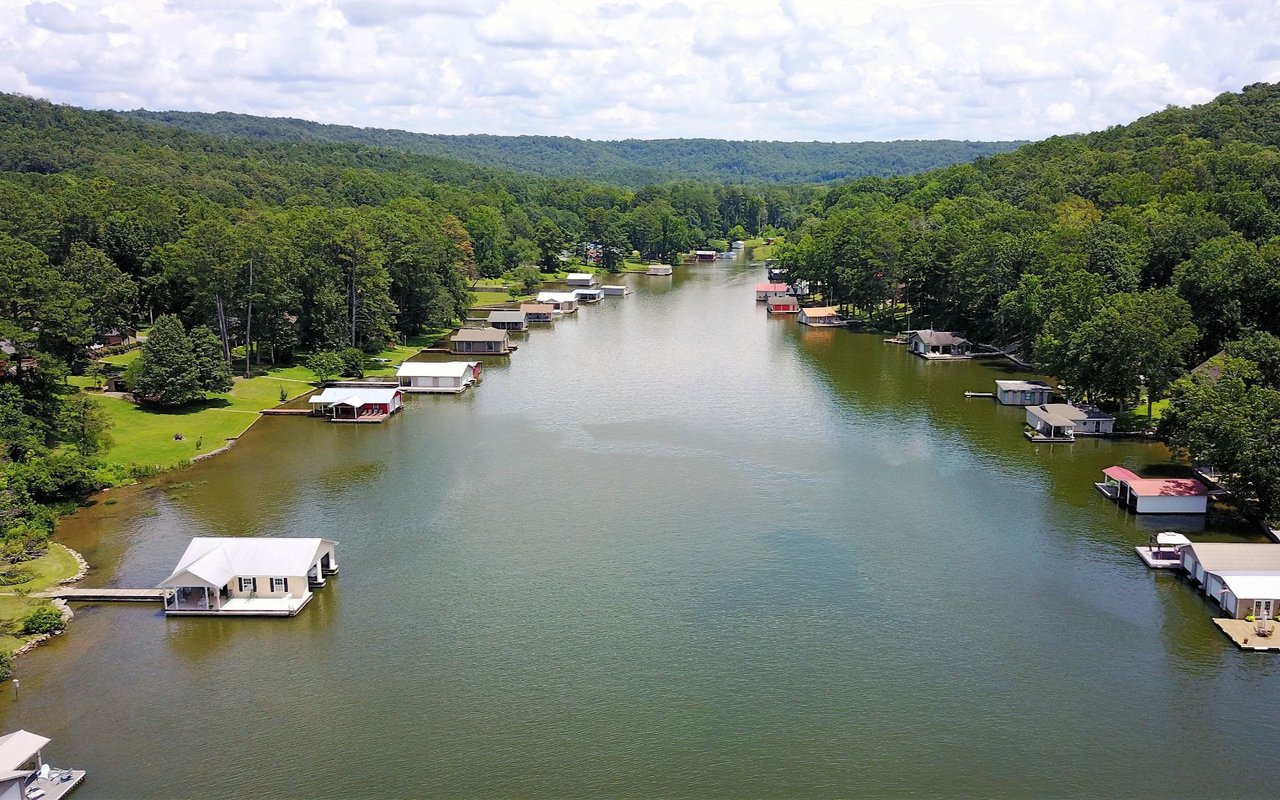
Around Smith Lake and Walker County, land is rarely one-size-fits-all. Lewis Smith Lake spans Walker, Winston, and Cullman counties, covers about 21,200 acres, and includes more than 500 miles of shoreline, so restrictions tied to shoreline tracts, wooded acreage, and scenic parcels can have a real impact.
That matters whether you are buying a lake lot, selling family land, or evaluating a larger rural tract near Jasper. On properties where view corridors, timber, habitat, shoreline use, or future development potential matter, the exact terms of a conservation easement can shape both daily use and long-term resale flexibility.
Under Alabama law, a conservation easement is a nonpossessory interest in real property that can place limits or create obligations to protect natural, scenic, open-space, agricultural, forest, recreational, and water-quality values. In plain English, you still own the land, but some use rights may be restricted by the recorded document.
These easements are valid under Alabama statute even if they do not fit older common-law easement rules. The important takeaway is simple: this is not just a casual agreement or a broad conservation concept. It is a real property interest created by statute, and the recorded instrument controls the details.
An easement becomes effective only after acceptance by the holder and recordation. Alabama law also provides that conservation easements may be created, conveyed, recorded, assigned, released, modified, terminated, or otherwise altered in the same manner as other easements, so the language in the filed document matters more than assumptions.
In the Smith Lake and Jasper area, conservation easements tend to matter most on waterfront tracts, ridge parcels, wooded acreage, family timberland, and larger rural properties. These are the kinds of parcels where buyers often care about privacy, protected views, stewardship, recreation, or future development options.
According to guidance on preserving private land, easements commonly address issues like subdivision, commercial or industrial use, mining, new roads, new structures, utilities, and disturbance to vegetation or topography. Some allow limited construction, trails, continued farming, or timbering if those uses support the conservation purpose.
For many Walker County properties, that means the real question is not whether an easement exists in name only. The real question is which rights were kept and which rights were limited.
One common misunderstanding is that conservation land must be open to the public. That is not necessarily true. A conservation easement often still allows the owner to restrict access unless the document specifically says otherwise.
That can be important if you are buying land for personal recreation, a private homesite, hunting use, or a family retreat. You should not assume public use rights exist, or do not exist, without reading the recorded terms.
Not every conservation easement freezes land in place. The Alabama Forest Land Trust describes a working-forest model that keeps land in private ownership while allowing uses such as hunting, forestry, and agriculture to continue.
That can be a strong fit for the kinds of rural and wooded parcels common around Walker County. If you are evaluating family land, timber acreage, or a tract with mixed recreational and practical use, the permitted-use section becomes especially important.
If you are buying property near Smith Lake or Jasper, do not rely on listing remarks or general summaries. The starting point should be the actual recorded file.
The Walker County Probate Office records page is one of the key public-record entry points, and the Probate Office also notes that recorded documents can be searched there and that it offers e-recording through the county workflow. The county public GIS and the Revenue Commissioner’s office can help with parcel context, but the deeded restriction language is what controls.
Here is what to verify before you move forward:
Read the original easement, any amendments, exhibits, and any available baseline documentation. This is where you confirm what the property owner can still do and what is restricted.
Ask who holds the easement and who has enforcement rights. Under Alabama law on enforcement, actions may be brought by the owner, the holder, or a third-party enforcer only if the instrument gives that right.
This section can affect whether the property works for your goals. For land around Smith Lake and Jasper, it may address subdivision, new structures, roads, shoreline work, utilities, timber harvest, hunting access, docks, or commercial activity.
Pre-existing mortgages, liens, mineral interests, leases, and other recorded rights may not be cut off by the easement unless the affected parties joined in or properly consented. That means existing interests may survive and still affect use or value.
Many people assume every conservation easement lasts forever. Alabama law says the term should be stated in the instrument, and if it is not, the statute supplies a default term. The lesson is simple: read the document and do not guess.
A serious holder should have a monitoring plan, baseline records, and support for long-term stewardship. This can help you better understand how the easement is managed over time and what kind of reporting or site access may be involved.
If you are selling land with a conservation easement, clear documentation can make the process smoother. Buyers will want to know what the easement allows, what it limits, and whether it affects future plans such as building, dividing, timber management, or shoreline improvements.
A well-prepared seller should be ready to provide the recorded easement, amendments, exhibits, and any supporting records that explain the property’s current use framework. This helps avoid confusion and gives buyers a more accurate basis for evaluating the land.
For inherited property or long-held family acreage, this is especially important. In many cases, the marketability of the tract depends less on the label “conservation easement” and more on the exact bundle of rights that remains.
A conservation easement can affect value, but there is no universal rule or standard discount. The common appraisal method is the before-and-after approach: value the property without the restrictions, then value it with the restrictions, and measure the difference.
According to land-conservation guidance from Natural Lands, more restrictive easements often have a larger impact on value, but every parcel is different. A tract that loses subdivision potential may see one kind of effect, while a property that appeals to buyers seeking privacy, open space, or protected views may see another.
That is why local market context matters. Around Smith Lake, some buyers may place a premium on natural setting and limited disturbance, while others may focus more on flexibility for future improvements or development.
Conservation easements may reduce income taxes, estate taxes, and sometimes property taxes, but the rules are highly fact-specific. You should not assume a tax benefit without advice from a CPA or tax attorney.
The IRS guidance on conservation easements makes clear that a charitable deduction cannot exceed fair market value and that no deduction is allowed if the easement has no material effect on value or actually increases value. The IRS also warns about inflated or abusive appraisals, so documentation and substantiation matter.
If an easement is tied to a donation strategy, owners should expect a qualified appraisal, a recorded easement, baseline documentation, and stewardship records. This is one area where professional guidance is worth the time upfront.
For local land records, start with the Walker County Probate Office, along with the county GIS and revenue offices referenced in the county workflow. These public sources can help you confirm what has been recorded and where the parcel sits in relation to surrounding land.
If the tract is wooded, agricultural, or managed for habitat, the Walker County Extension Office can also be a helpful public resource for forestry, wildlife, and natural-resource questions. On more technical transactions, buyers and sellers often also need support from attorneys, title professionals, appraisers, foresters, or mineral-related specialists depending on the property.
Near Smith Lake and Jasper, conservation easements are not abstract planning tools. They are recorded property rights that can change how land is used, valued, financed, and resold.
If you are buying or selling acreage, waterfront property, family land, or a parcel with development potential, the smartest first step is to follow the public-record trail and read the recorded language carefully. If you want help sorting through the real-world impact of a conservation easement on a Walker County property, reach out to Deanna Parrish for clear, local guidance grounded in both real estate experience and technical land expertise.





Whether you are buying a home in town or a retreat on Smith Lake, Deanna is your local connection. She leverages deep community roots to find properties that perfectly match your lifestyle. Connect with her to start your journey.