Smith Lake Vacation Home Guide for Non-Local Buyers
March 24, 2026
March 24, 2026
Thinking about a Smith Lake place but live hours away? Buying from a distance can feel risky, especially around docks, permits, and short-term rental rules. You want a clear plan so you can make a strong offer with no surprises. This guide gives you practical steps tailored to Walker County’s stretch of Smith Lake near Jasper, from shoreline rules to budgeting and closing logistics. Let’s dive in.
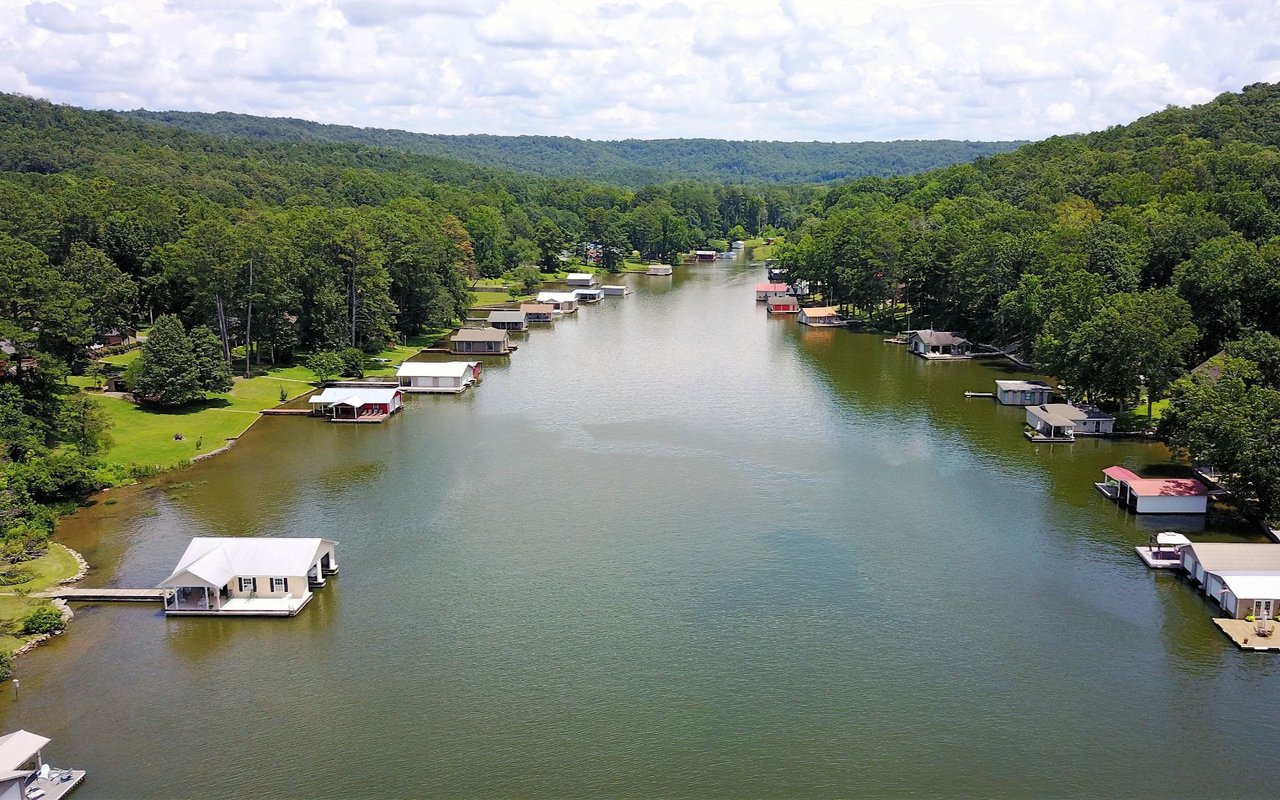
Smith Lake offers clear, deep water and miles of scenic shoreline in Cullman, Walker, and Winston counties. Water levels are managed seasonally, so it helps to understand how the lake operates before you buy. For many out-of-town owners, proximity to a full-service marina is a big plus for fuel, slips, and maintenance. Neighborhood choices range from quiet coves to busier main channels, which affects boating activity, sound, and dock exposure.
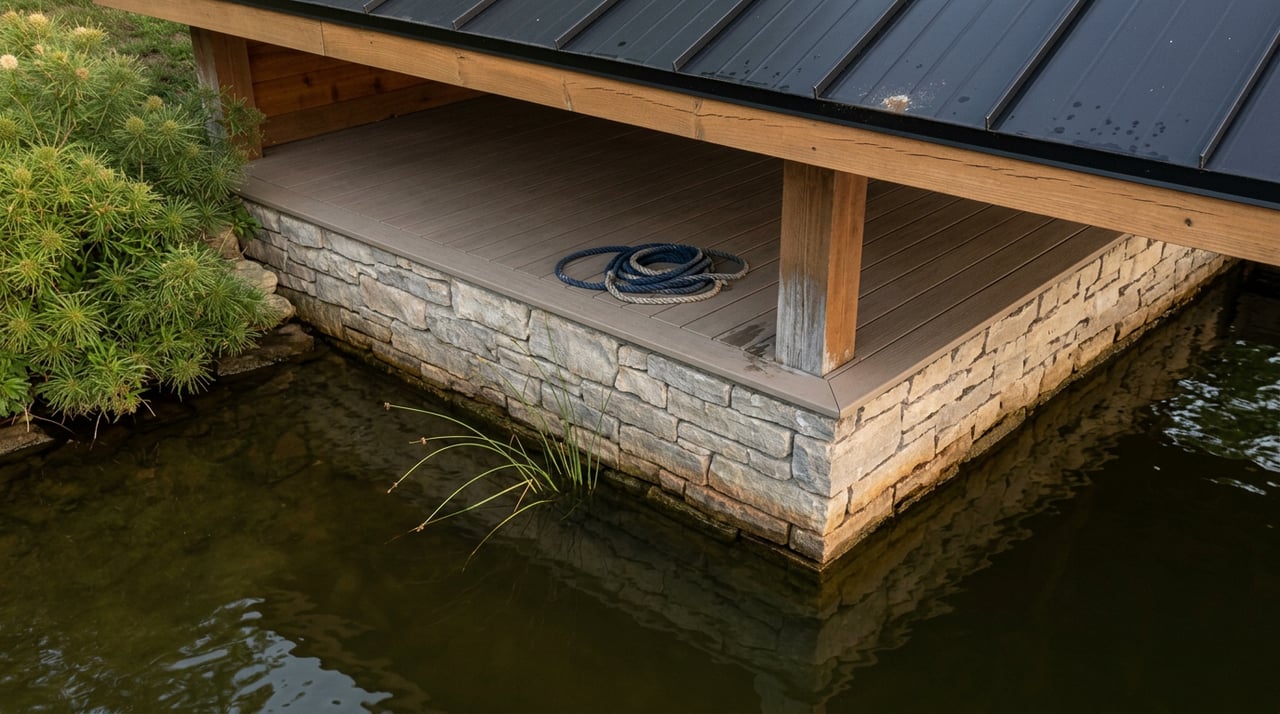
Alabama Power manages Smith Lake’s shoreline and lake elevation. The company owns fee lands and flood easements along the water and controls permits for docks, boathouses, and anchoring systems. Seasonal and operational water level changes are normal, so a dock that works at full pool may sit higher or lower later in the year. That affects usability and can add wear to lifts and anchoring systems over time.
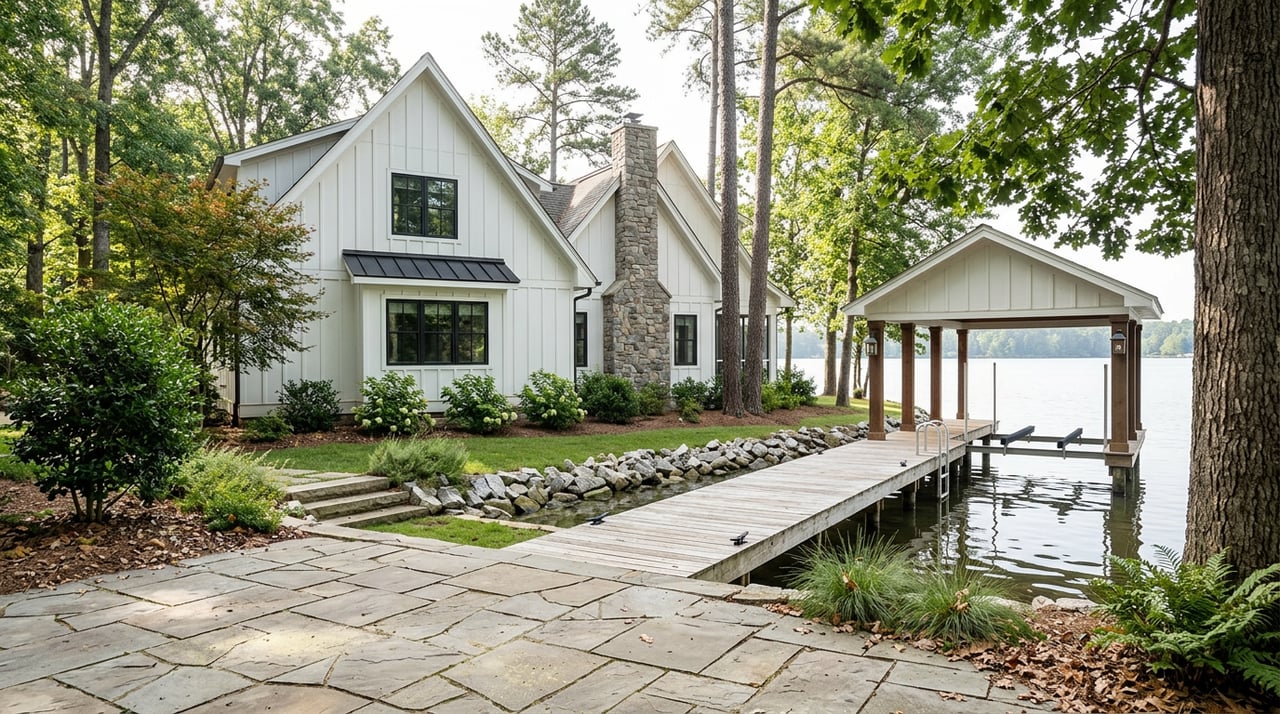
Before you offer, confirm whether any existing dock or boathouse is properly permitted with Alabama Power. Ask the seller for the permit number, the full permit file, and any recent correspondence. Shoreline permits are licenses, not permanent property rights, so Alabama Power can change or revoke them and can require design or location adjustments.
If you plan to add or modify a dock, call the Alabama Power Shoreline office for Smith Lake and follow their “Call Before You Build” guidance. Deep-water anchors and custom systems often need design approval and, in some cases, coordination with the Army Corps of Engineers. Get clarity on siting limits, size, materials, and any transfer or modification steps well before closing.
Many lake subdivisions have HOA rules that can be stricter than Alabama Power’s standards. Covenants may limit dock size and roof style, set quiet hours, restrict exterior materials, and regulate guest parking and trash. Some HOAs limit or ban short-term rentals. Make HOA documents and last year’s meeting minutes a contingency in your offer, and confirm dues, special assessments, and any pending rule changes.
Short-term rental rules vary by county and by town. If the home sits inside a municipality such as Jasper or Double Springs, check with the city clerk’s office for licensing and inspections. Counties may require a business or vacation rental license and the collection and remittance of lodging or occupancy taxes. Do not assume STRs are allowed. Verify with both the county and the city, and confirm HOA restrictions.
Alabama Power’s shoreline permit language also matters. Permits limit charging others for the use of shoreline structures and allow only occasional, owner-managed temporary rentals of those structures. That means you should treat the dock as an amenity you cannot monetize separately from the house.
Most near-lake homes use private wells and septic systems. Ask for the septic permit, pumping and inspection records, and consider a dye test or inspection if age or capacity is uncertain. Failing or undersized systems are a common issue near lakes and can be expensive to replace, depending on soils and site conditions. For wells, request the well report and recent water test results, and confirm yield with a licensed professional.
Always check the FEMA Flood Insurance Rate Map for the exact parcel. Even a sloped or elevated lot can include a mapped flood zone that triggers flood insurance requirements with many lenders. Ask your insurance agent for estimates on homeowner coverage, wind and hail deductibles, and a separate flood policy if required.
How you plan to use the home can change your loan type. If you will use it primarily as a personal second home, you may qualify for a conventional second-home mortgage with a lower down payment and rate. If you intend to run it as a short-term rental business, many lenders will classify it as an investment property, which usually comes with a higher down payment, higher rates, and larger reserves.
Lender rules and IRS rules are not the same. Mortgage classification depends on lender guidelines and your intended use. For taxes, the IRS treats rental and personal use differently, including a special rule for very limited rental days. Speak with your mortgage officer and tax advisor early so your pre-approval matches your plan.
Owning on Smith Lake adds line items you may not have with a city home. Build a realistic budget so surprises do not derail your plan.
Use this pre-offer and pre-closing sequence to reduce risk and keep your deal on track.
Pre-offer
Before closing
After purchase
Alabama’s effective property tax rates are generally lower than national averages, but rates vary by county and municipality. Residential property is assessed under state classification rules, and counties apply local millage rates. Ask for the most recent tax bill and confirm current millage so you can model total annual costs accurately for your specific parcel.
Buying a lake home from out of town calls for a steady hand and strong local contacts. You want someone who will spot issues early, explain them plainly, and keep the moving parts organized through closing. A local advisor can coordinate shoreline questions with Alabama Power, pull HOA and septic records, and line up the right inspectors and contractors.
With a background in land and complex property matters, we help you navigate permits, easements, wells, and docks with confidence. You get practical guidance, straightforward communication, and a plan that fits how you want to use the home.
Ready to find your Smith Lake place and buy with clarity? Reach out to Deanna Parrish to get a personalized plan, local vendor referrals, and step-by-step help from first call to keys.





Whether you are buying a home in town or a retreat on Smith Lake, Deanna is your local connection. She leverages deep community roots to find properties that perfectly match your lifestyle. Connect with her to start your journey.