Paul Kennedy of the Walker Area Community Foundation Shows What Legacy Giving Looks Like
Deanna Parrish September 22, 2026
Deanna Parrish September 22, 2026
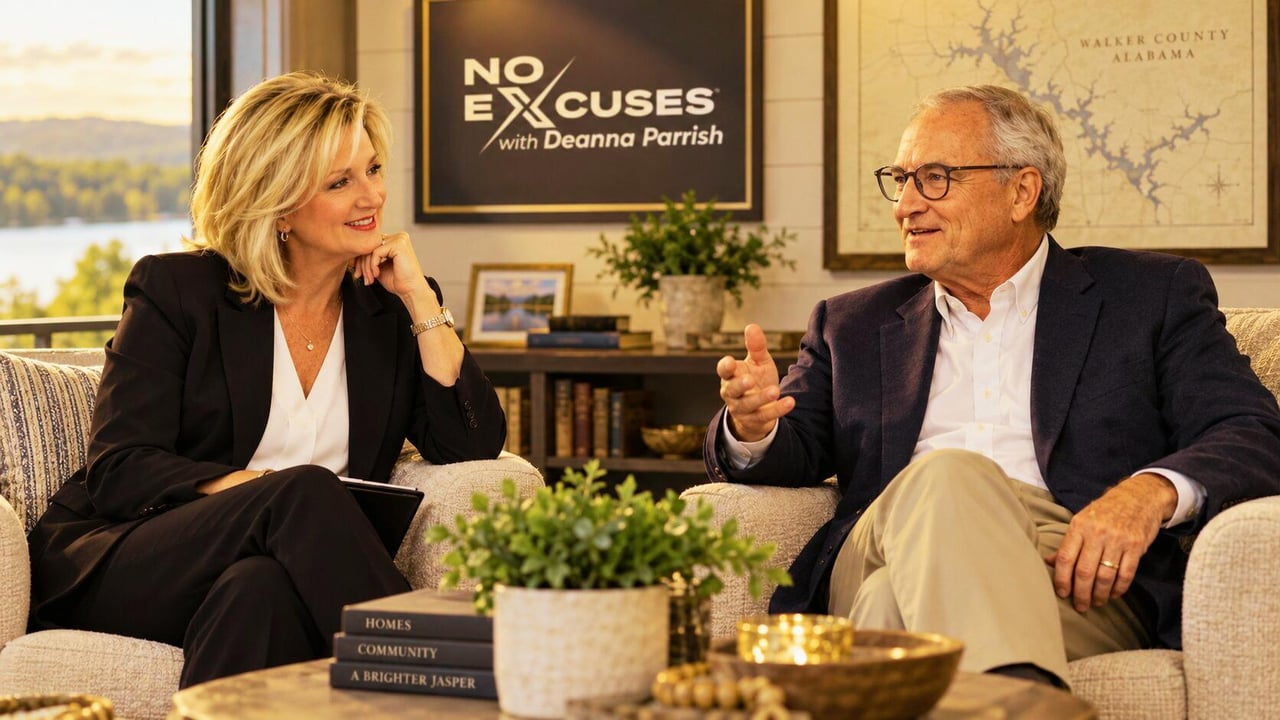
Most families raising kids while caring for aging parents never see the financial squeeze coming until it is already too late. That quiet crisis sits at the center of my conversation with Paul Kennedy of the Walker Area Community Foundationon No Excuses.
Paul came back to talk about what nineteen years running one of Alabama's fastest-growing community foundations has taught him about giving with purpose and building a place worth staying in.
Here’s a preview of that episode:
Part one of my conversation with Paul covered the numbers. The foundation grew from ten million dollars to a hundred fifty million dollars in endowment. This time, it's about the heart behind those numbers.
I wanted Paul back because he does not just move money. He builds trust with donors, with government partners, and with the hundred-plus nonprofits the foundation funds every year.
What struck me most was how much of his work has nothing to do with dollars at all.
Watch the full episode here:
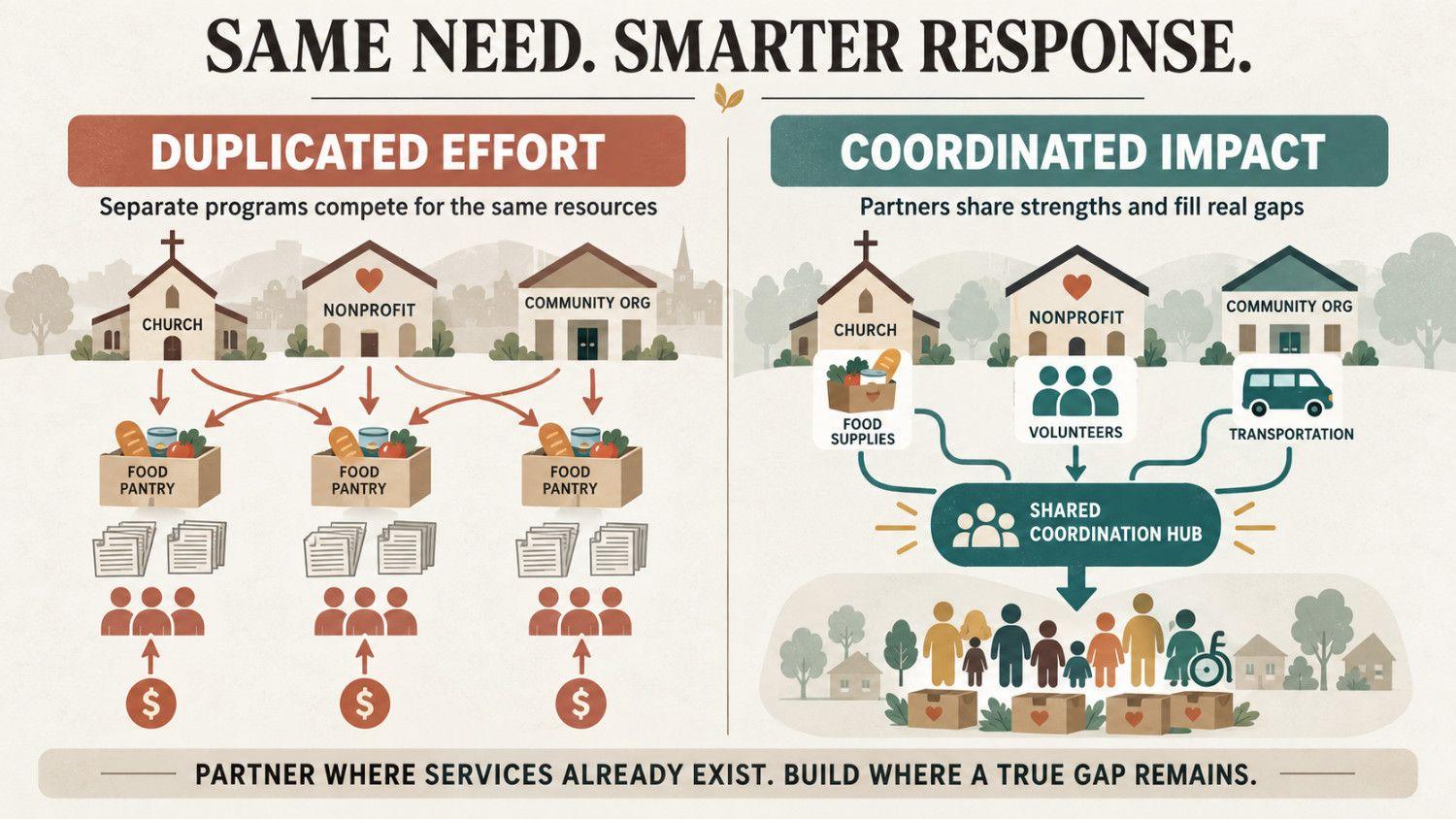
Paul told me something that changed how I think about local giving. Walker County has hundreds of nonprofits, and not all of them need to exist.
Nonprofit duplication is one of the highest hidden costs in charitable giving. Every organization that repeats work another group already does well pulls resources away from the community instead of adding to it.
Before the foundation funds a new program, its own donors sit in on grant review.
“Our grant reviewers know that there are three other organizations that do something similar. If they're trying to replicate something that's already going on, they're not going to recommend it for funding.”
Paul was blunt about churches, too. He counted 260 in a county of 65,000 people and questioned whether that many food pantries were really necessary.
His rule is simple: If you can prove you are meeting a need no one else is meeting, the foundation will listen. If not, your energy is better spent partnering with an organization that already does the work well.
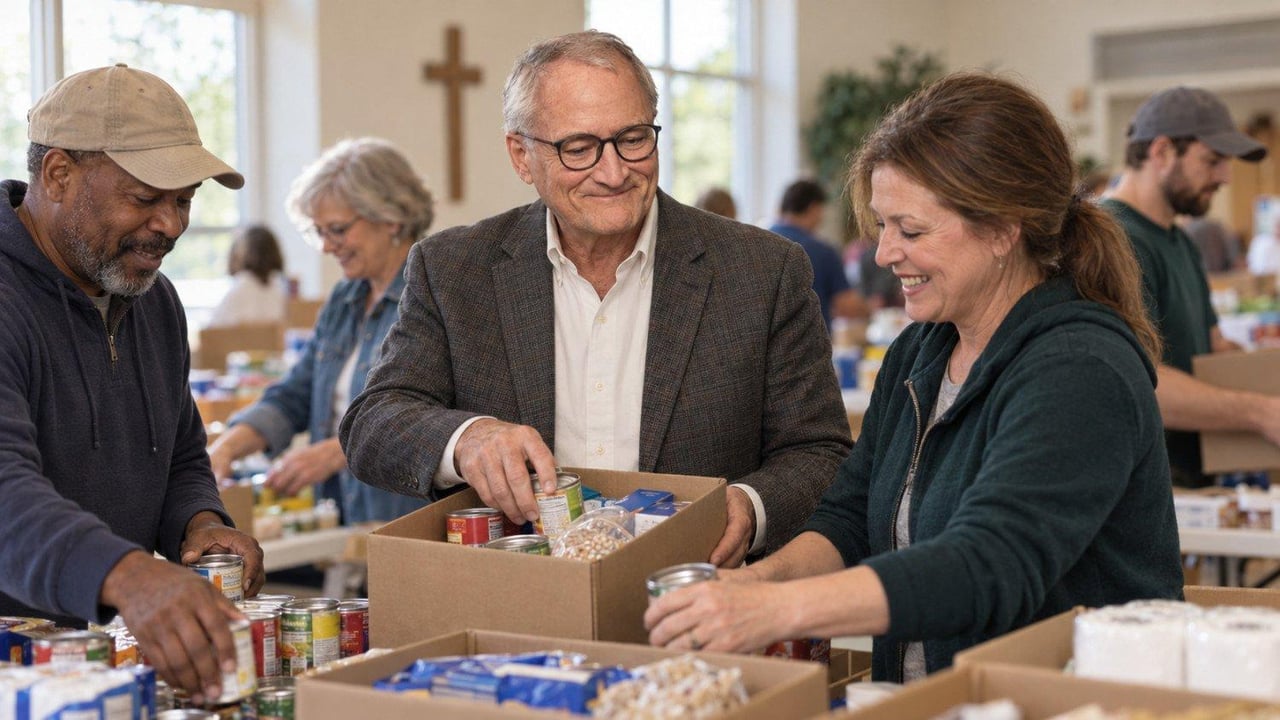
Paul also opened up about a crisis he sees getting worse every year. The sandwich generation squeeze describes adults raising their own kids while also caring for aging parents, often without any real financial plan for either.
He connected it directly to something the foundation now teaches in local schools. Financial literacy and business acumen, taught early, keep families from ending up in situations they never planned for.
This is not just a family problem. It becomes a community problem when the safety net families used to lean on has thinned out.
Through the foundation's disaster relief, Paul has seen firsthand how families in crisis need more than a single check. They need a plan that holds up over time.
One of the most surprising moments in our conversation was Paul explaining why he turned down the easy version of a major gift.
A recently retired resident had the means to give the foundation a six- or seven-figure contribution. Paul did not ask for the money first. He asked for the donor's skill set and network instead.
“There was a $10 check from her, and that was her monthly contribution. That made me cry. She saw a need, and she was giving out of what little she had for that.”
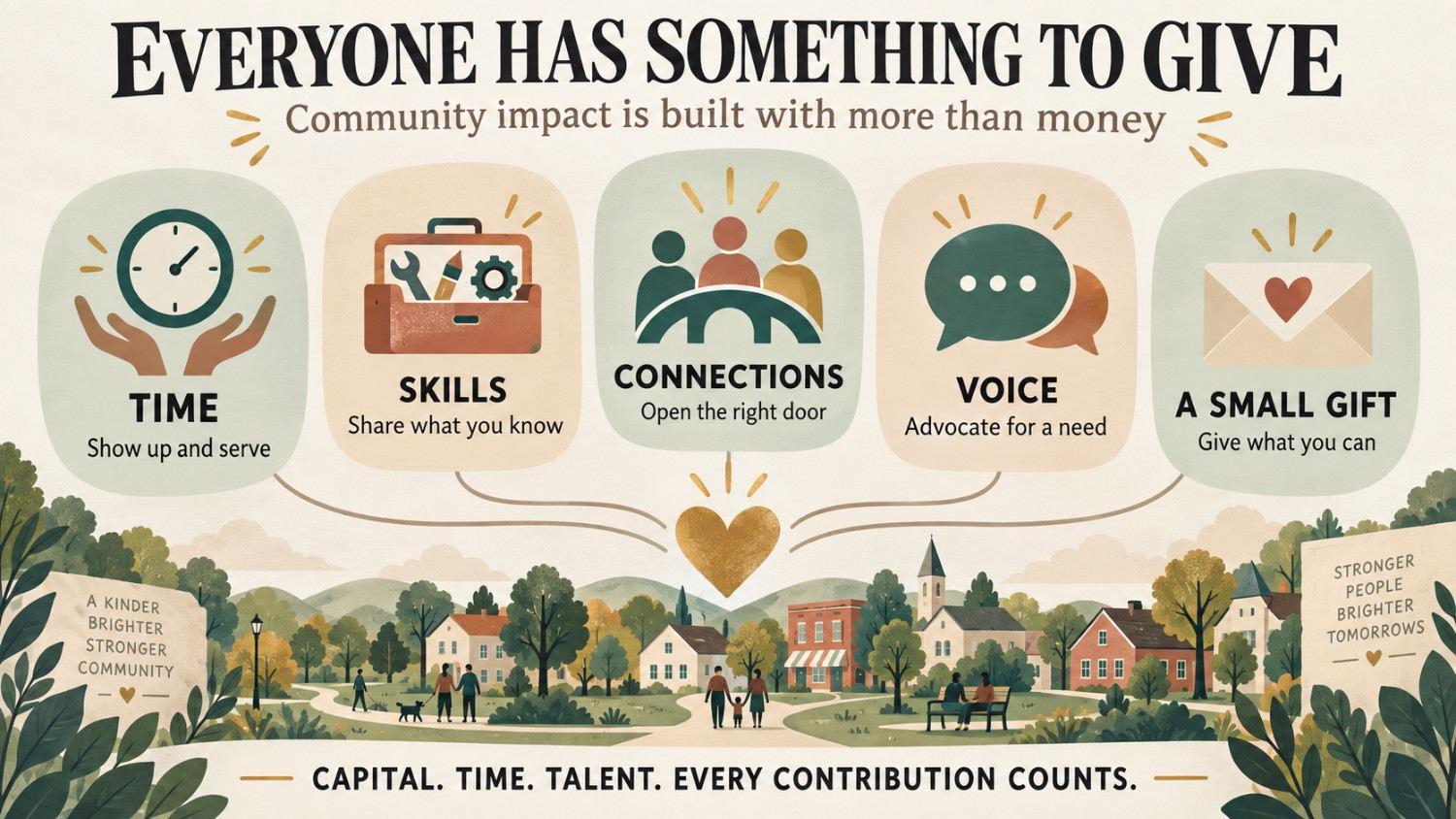
That story, about a formerly homeless woman on the foundation's homeless coalition board, sits right alongside the story of the six-figure donor. Paul treats both the same way. Every community foundation donor brings something worth having, whether it is capital, time, or a skill the foundation cannot buy.
For anyone weighing whether they have enough to give, becoming a donor does not require a fortune. It requires showing up.
Paul shared a number that stopped me. If every nonprofit in America pooled every dollar it had into safety net programs, the money would not last a full year.
“If every nonprofit in America was invested in those programs, it would last sixteen weeks. We could never fill that void.”
He also cleared up a misconception I hear often. Most people assume their taxes fund local food pantries and community services. Paul was direct about it. Much of that work runs on charitable dollars, not government budgets.
That gap is exactly why the foundation keeps building. TheHeman Drummond Center of Innovation (HDCI) now anchors a training campus that includes an HVAC facility, an energy infrastructure training center, and hands-on pathways for high school and college students heading into skilled trades.
I came into our conversation thinking about dollars and left thinking about people. Paul's foundation is not measured only in grant totals. It is measured in disaster recovery volunteers who rebuilt 121 homes after 2011, in interns who fell in love with Walker County, and in donors who give what they can, whenever they can.
Walker County is proof that great neighborhoods in Alabama are not accidents. They are built by people who choose to show up for each other year after year.
Want to hear my full conversation with Paul Kennedy of the Walker Area Community Foundation on legacy giving?
They lean on a formal grant review process. Reviewers research whether other organizations already provide a proposed service before funding is approved. If similar work already exists, the foundation will not fund it unless the applicant proves they are meeting a need no one else is meeting.
It describes the financial and emotional strain on adults who are raising their own children while also caring for aging parents, often without the family support networks larger families once relied on. Paul calls it a situation where families risk going broke trying to meet both sets of needs at once.
Paul cites a report showing that if every nonprofit in America pooled its resources into those programs, the funding would last only sixteen weeks. National need far outweighs combined charitable capacity, which is why community partnerships matter as much as dollars.
Every episode of No Excuses starts with one belief. There is no shortage of good people doing good work in this community, and most of them never get asked to share it.
If you are building something in Walker County or anywhere in Alabama, whether that is a nonprofit, a business, or a community initiative, I would love to hear from you!
No Excuses is produced by Icons of Real Estate, the #1 Real Estate Podcast Network. If you are a real estate professional, apply to be a guest speaker across the network!


Whether you are buying a home in town or a retreat on Smith Lake, Deanna is your local connection. She leverages deep community roots to find properties that perfectly match your lifestyle. Connect with her to start your journey.